Why Drainage Holes Are Essential for Indoor Plants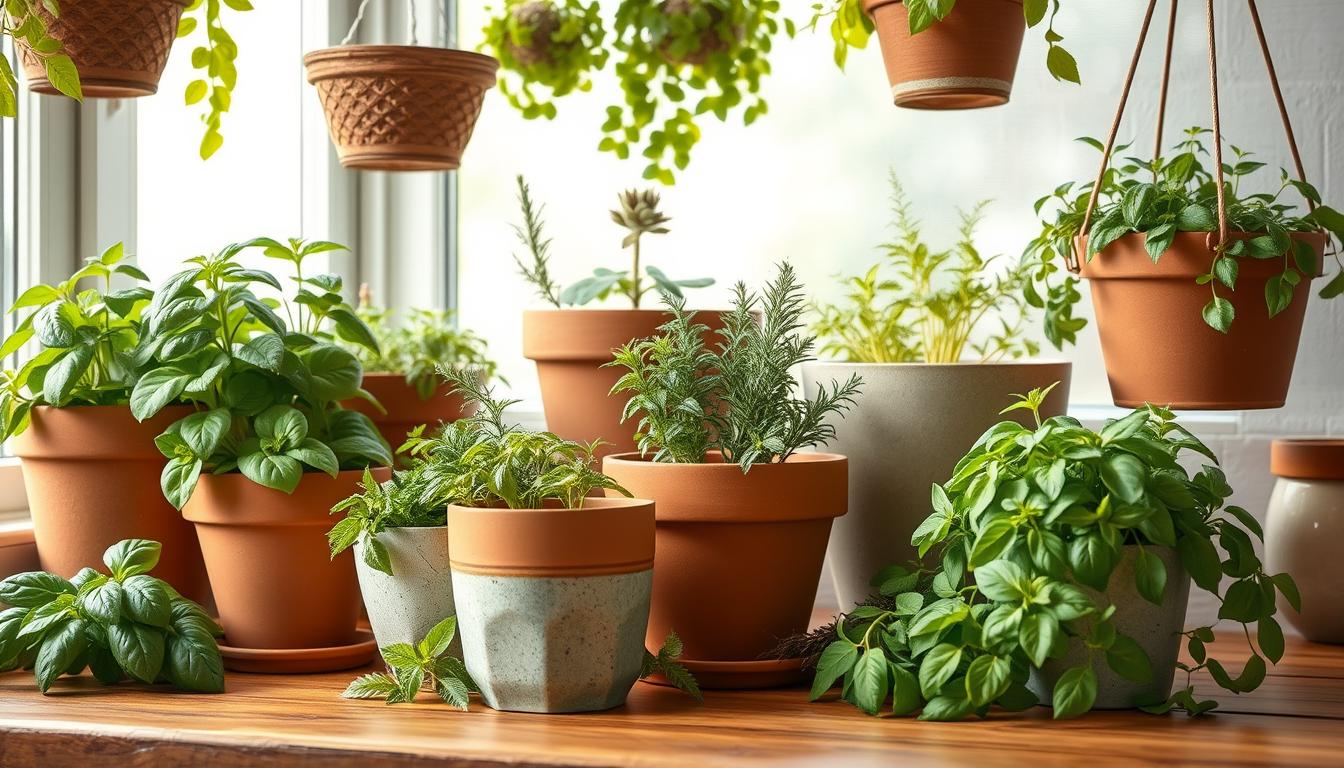
Indoor plants can suffer quietly when their roots sit in waterlogged soil. I once had a fern that looked healthy but suddenly wilted. The culprit wasn't lack of water, it was a ceramic pot without drainage holes, trapping excess moisture around the roots. Roots need oxygen as much as water; standing water suffocates them and leads to rot.
If your space requires using a pot without holes, consider placing a smaller nursery pot with drainage inside it. This way, you preserve the look you want without risking root health. To check if your pot drains well, pour some water in and watch how fast it flows out, if it pools or drips slowly, drainage might be poor.
Matching Pot Material to Your Plant’s Water Needs
The material of your container affects moisture and airflow around roots. Here’s how common types behave:
Terracotta: This porous clay lets moisture evaporate faster. It’s perfect for plants that dislike soggy soil, like succulents or herbs from dry climates. Just be prepared to water more often since terracotta dries out quickly.
Plastic: Lightweight and moisture-retentive, plastic works well for plants needing steady dampness, like peace lilies or ferns. However, cheap plastic pots sometimes have inadequate drainage designs; make sure holes are large enough.
Glazed Ceramic: Less porous than terracotta, they retain moisture longer but only work well if they include drainage holes. Watch soil moisture carefully here to avoid overwatering.
Metal or Glass Pots: These don’t breathe and can cause temperature swings around roots, especially if placed near windows or heaters. Avoid unless they’re lined properly and have ample drainage.
Choosing the Right Soil Mix Matters More Than You Think
Using regular garden soil indoors usually backfires because it compacts easily and holds too much water, starving roots of oxygen. Instead, pick a potting mix formulated for indoor plants that balances moisture retention with airflow.
Look for mixes containing:
- Peat moss or coconut coir: Holds moisture but allows air pockets
- Perlite or pumice: Small white particles that keep soil light and drain excess water
- Bark or composted organic material: Adds nutrients and structure
For a simple DIY mix, combine two parts peat moss or coir with one part perlite and one part composted bark. This blend works well for most houseplants.
Avoid Oversized Pots That Trap Moisture
It’s common to think bigger pots give plants room to grow, but oversized containers hold excess wet soil beyond what the roots need. This soggy environment invites rot. For example (composite example), I once helped someone whose fiddle leaf fig was struggling in an enormous glazed ceramic pot full of dense dirt, the soil stayed soggy long after watering.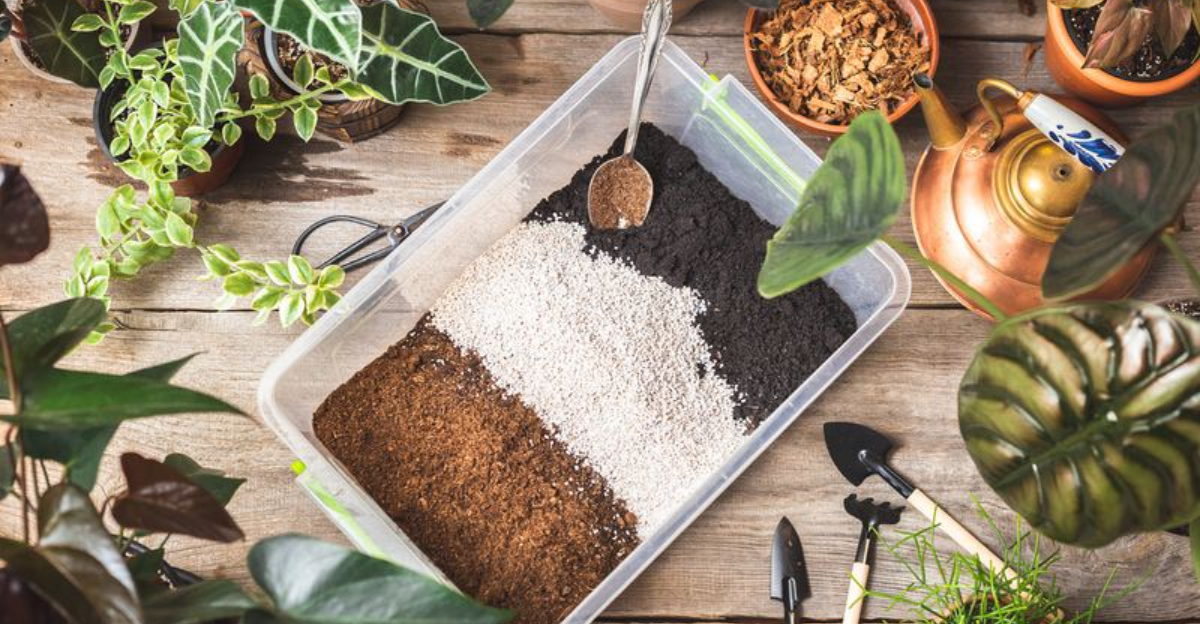
When repotting, pick a pot about 1 to 2 inches wider in diameter than your plant’s root ball. If your plant is top-heavy, choose a wider base rather than just a larger overall size to improve stability.
When and How Often Should You Repot?
Repotting every 1 to 2 years is a rough guideline at best. Instead, pay attention to signs your plant needs fresh soil:
- Roots growing out of drainage holes
- Water pooling on the surface without soaking in
- Slowed or stunted growth despite good care
Some slow-growing plants tolerate longer intervals between repots; others need more frequent refreshment of their soil’s nutrients and structure. When repotting, gently tease apart crowded roots instead of aggressively pulling or spinning them, this encourages healthy root spreading into new soil.
Why Bottom Layers of Rocks Can Do More Harm Than Good
Adding gravel or stones at the bottom of pots is often recommended to improve drainage but can create “perched water tables.” Water tends not to move easily from fine soil into coarse rock layers below; instead, it accumulates at the interface and keeps roots sitting in damp conditions longer than expected.
A better approach is to rely on a high-quality well-draining potting mix combined with proper drainage holes rather than adding separate layers that mimic drainage but trap moisture unexpectedly.
Composite Example: Fixing a Struggling Fiddle Leaf Fig
Imagine inheriting a fiddle leaf fig wilting even though it gets regular care: watered on schedule but still droopy leaves appear. The plant sits in an oversized glazed ceramic pot without drainage holes filled with heavy garden dirt.
To revive it:
- Move it into a terracotta or plastic pot with sufficient drainage holes sized about 2 inches wider than its current root ball.
- Use an indoor-specific potting mix combining peat moss and perlite for balanced moisture retention.
- Water only when the top inch of soil feels dry instead of on a set schedule.
- Monitor growth signs rather than calendar dates for future repotting every 1–2 years.
Common Container and Soil Troubleshooting
Root Rot Signs: Yellowing leaves dropping prematurely plus persistently soggy soil usually mean poor drainage or too large pots holding excess moisture.
Slow Growth/Yellow Leaves Not From Overwatering: Old compacted soil lacking nutrients limits root expansion; refreshing with quality mix helps.
Soil Dries Out Too Quickly: Switching from terracotta to plastic pots retains moisture better if you can’t water frequently enough.
Simple Steps to Start Improving Your Indoor Plant Setup
Look at your current pots closely: Do they have proper drainage? Are they too big? If you find any mismatches, plan to repot those plants soon into appropriately sized containers with fresh indoor potting mix designed for houseplants.
Choose plastic if you want more moisture retention or terracotta if your plant prefers drier feet between waterings.
Your Next Move
Within the next month, check all your indoor plants’ containers:
- Make sure there are effective drainage holes allowing free flow of excess water.
- Confirm pots aren’t oversized relative to root size.
- Replace old garden dirt with quality indoor potting mixes containing peat/coir plus perlite/pumice.
Taking these steps will relieve root stress before damage becomes serious and improve overall plant health more than tweaking light or fertilizer alone.
Healthy roots are the foundation for thriving indoor plants, and getting containers and soils right early pays off in vibrant growth year after year.
