Yellow leaves and wilting are like your indoor plants sending an SOS, but figuring out what they really want isn’t always straightforward. I remember once nursing a fiddle leaf fig through a mysterious yellowing episode. It wasn’t just about watering more or less, it was about understanding how water, roots, light, and airflow all talk to each other beneath the surface.
Why Indoor Plant Leaves Turn Yellow: More Than Just Water
Yellow leaves often get blamed on overwatering, or underwatering, but that’s only part of the story. When I helped a friend struggling with her peace lily, we found that while she watered diligently, her pot lacked drainage holes. This trapped water around the roots, suffocating them like trying to breathe through a soaked sponge.
The underlying mechanism here is oxygen deprivation. Roots need air pockets in soil to breathe; if water fills every pore, roots drown and begin to rot. The plant responds by shutting down leaf function, turning yellow as those leaves lose vitality.
On the flip side, dry soil pulls water from leaves faster than the roots can replace it, causing yellowing from dehydration stress. But what makes it tricky is that both over- and underwatering cause similar symptoms because both disrupt water transport inside the plant.
Poor drainage compounds the problem, too much water stagnating around roots creates a toxic environment. Some plants also yellow if they lack nitrogen or get sudden extremes in light, like harsh sun bleaching their leaves or sitting in shade too long.
Diagnosis tip: Stick your finger into the soil 1–2 inches deep. If it feels soggy or smells sour, roots are probably drowning. If it’s bone dry and crumbly, dehydration is likely the culprit.
How to Fix Yellow Leaves With Purpose
Here’s where understanding how plants work guides action:
Test moisture before watering: Plants don’t appreciate rigid schedules because actual water needs fluctuate with temperature, pot size, and season. Moisture meters can help you see if roots still have enough water or if soil has excess.
Improve aeration: Repot in fresh soil blended with perlite or coarse sand to create air pockets. Choose pots with drainage holes; terracotta pots also wick away excess moisture through their porous walls. This setup allows roots to access oxygen while retaining enough hydration.
Tailor watering frequency: Only water when the top inch of soil feels dry for most tropical species. This prevents drowning roots and mimics natural wet-dry cycles they evolved with.
Adjust lighting smartly: Bright indirect light fuels photosynthesis without burning delicate leaves. If a plant looks yellow near windowsills with direct afternoon sun, try moving it slightly back or providing sheer curtains.
Prune cautiously: Removing yellow leaves isn’t just about aesthetics, it stops energy waste and potential disease spread. But avoid cutting too many at once; plants need some leaves to keep photosynthesizing as they recover.
Understanding Wilting: Not Always Thirst
Wilting struck me as especially confusing until I realized it’s about turgor pressure, the internal water pressure that keeps leaves firm. Both underwatering and overwatering can cause wilting but through different mechanisms.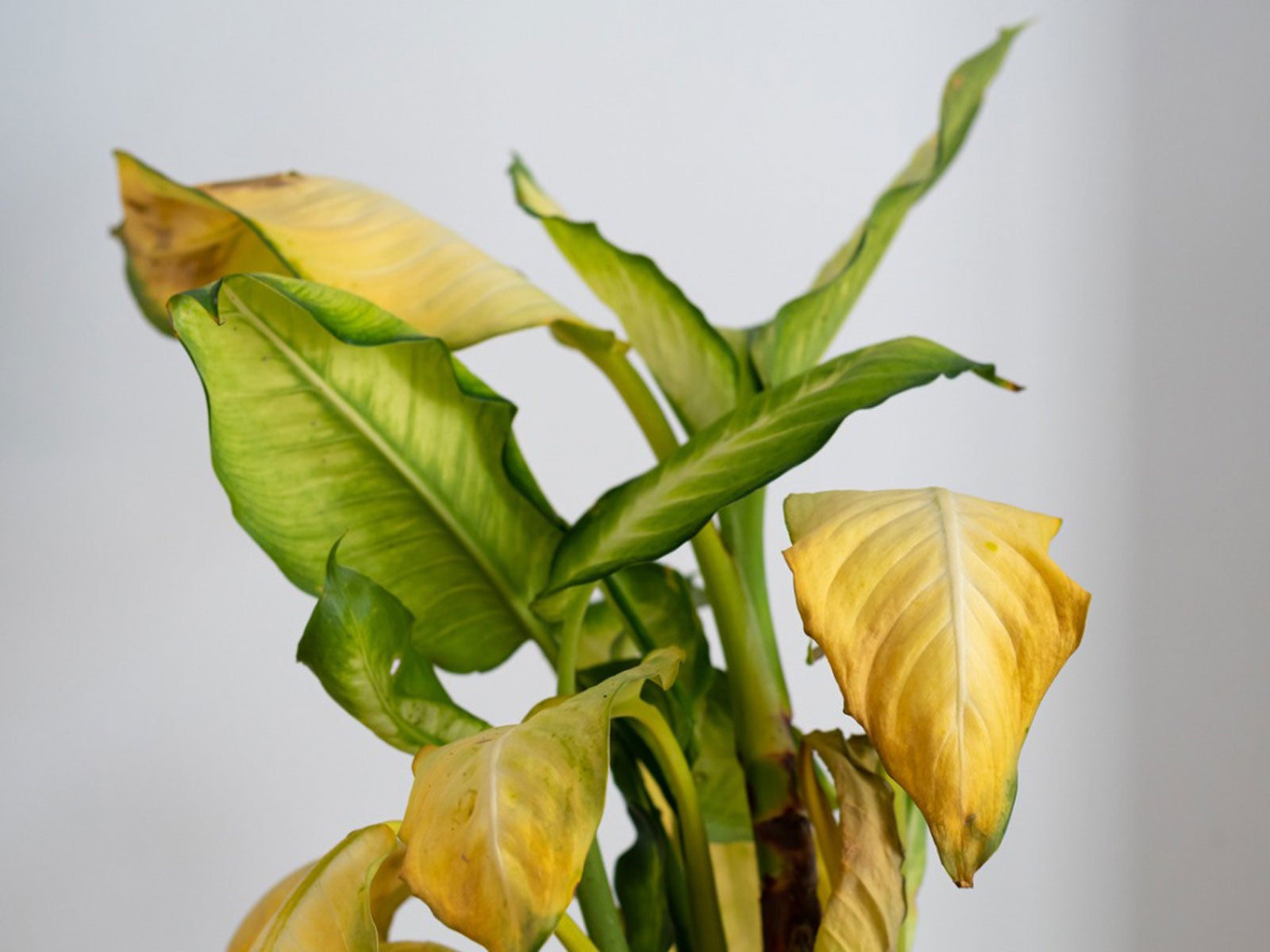
When underwatered, there simply isn’t enough water entering roots to replace what leaves lose through transpiration; cells lose pressure and collapse visibly.
With overwatering-induced root rot, roots become damaged and unable to absorb water effectively even though soil is wet, like a clogged straw trying to suck up liquid. The plant wilts because water transport fails internally despite abundance outside.
Other factors include root pests or compacted roots in tiny pots that choke off uptake, plus heat or dry air increasing transpiration faster than supply.
Targeted Steps to Rescue Wilted Plants
Water deeply but sensibly: If soil is bone dry, soak until water drains freely from pot bottom, this saturates entire root zone for thorough rehydration without flooding repeatedly.
Inspect root health: Gently lift plants from pots to check roots’ color and firmness, healthy ones are white/light tan; mushy dark brown indicates rot needing removal.
Repot into fresh airy soil: Fresh medium restores balance between moisture retention and oxygen flow; choosing appropriately sized pots prevents overcrowded roots struggling for resources.
Improve humidity around plants: Dry air stresses stomata (leaf pores), increasing water loss; pebble trays or humidifiers stabilize moisture levels easing plant stress.
Optimize light exposure: Adequate light supports photosynthesis needed for root energy generation, a wilting plant in low light may fail to recover until moved somewhere brighter but not scorching.
When Other Symptoms Signal Deeper Issues
Brown leaf edges or tips often clue you into inconsistent watering patterns or dry air environments; drafts or heaters nearby exacerbate this by rapidly drying foliage unevenly.
Leaves curling or distorted? Look underneath for pests like spider mites, a single overlooked infestation can sap plant vitality before obvious damage shows externally.
Spots on leaves might mean fungal or bacterial infections needing isolation and treatment; ignoring these lets disease spread quickly among indoor collections.
A Real-World Turnaround: Snake Plant Revival (Composite Example)
A client’s snake plant suffered limp leaves with yellow patches after daily watering by habit near a bright window. There were no drainage holes in its plastic pot, a classic setup for root suffocation.
We shifted watering only after checking soil moisture first and moved the plant away from direct sun rays that stressed leaves further. Repotting into a terracotta container with fresh aerated mix immediately improved root breathability.
Pruning dead leaves reduced stress signals while new firm growth after three weeks confirmed recovery had begun, all because of restoring balance between water availability, root oxygen, and light exposure.
When Problems Persist: Knowing When to Dig Deeper
If symptoms linger despite care changes:
- Advanced root rot may require multiple repottings.
- Hidden pests might need targeted insecticidal soap treatment.
- Nutrient deficiencies need balanced fertilizing, often overlooked when focus stays on watering only.
- Environmental factors like temperature swings cause ongoing stress unnoticed unless monitored consistently (a digital hygrometer can expose low humidity issues).
One Practical Habit That Changed Everything for Me
Tracking watering dates alongside light exposure and visible symptoms helped me notice patterns I’d otherwise miss, like how winter sunlight reduction meant less frequent watering but increased fertilizing need due to slower growth cycles.
This simple journal built intuition beyond guesswork, turning plant care into an informed dialogue rather than guess-and-check frustration.
Your highest-use next step today: Take a moment to feel your plants’ soil moisture deeply, not just surface dryness, and adjust watering based on what you find rather than routine alone. This single habit sidesteps many causes behind yellowing and wilting by respecting the core mechanism plants rely on: balanced hydration matched with well-aerated roots.
Getting curious about “why” your plant acts out instead of just “what” symptom appears transforms indoor gardening from mystery-solving into meaningful care rooted in how these living systems function internally. With patience tuned by observation, those stubborn yellow leaves will turn green again, and your confidence will grow right alongside them.
