Indoor plant propagation can feel simple at first, but many beginners hit frustrating roadblocks if they miss key details about timing, plant biology, and environment. Understanding these helps turn propagation from luck into a reliable skill. Here’s what really matters when multiplying your indoor plants.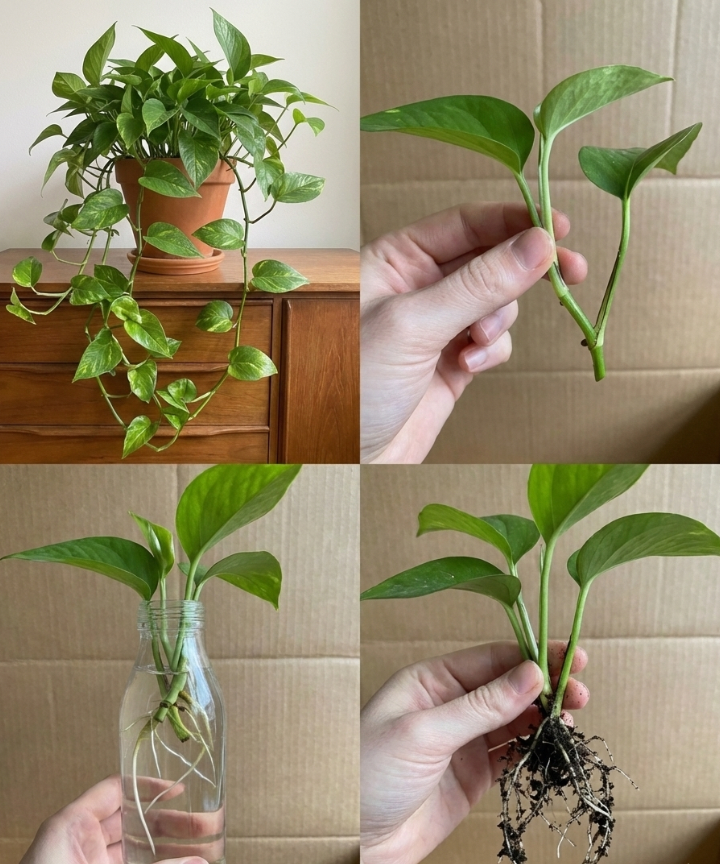
Picking the Right Stem: Timing and Maturity Matter More Than “Healthy”
You’ve probably heard “take a healthy stem,” but that advice skips over when the plant is actually ready to root. For example, cuttings taken from pothos during winter often fail because the stems are dormant or low in rooting hormone (auxin). The cutting looks fine, but roots just don’t develop.
What to do:
- Take cuttings during active growth periods, usually spring through early summer.
- Choose semi-hardwood stems: not too soft or new, but also not old and woody. Look for stems with plump nodes and recent leaf growth.
If your cuttings don’t root after three weeks, check whether you took them at the wrong time or from dormant wood.
Water or Soil? Match Your Medium to Your Plant’s Needs
Water propagation is popular because you can watch roots grow. But it has downsides: water holds less oxygen than soil, which can slow root formation and create weak roots that rot after planting.
Some plants produce roots in water that don’t adjust well once potted in soil. On the other hand, soil propagation requires careful watering, too much moisture invites rot and fungal problems.
How to choose:
- Use water for species known to root easily in it (pothos, philodendron). Change the water every 3 days and avoid submerging leaves.
- For plants sensitive to rot or with delicate roots, start cuttings directly in a well-draining soil mix with perlite or orchid bark for air pockets.
Keep Humidity High Without Causing Rot
High humidity helps cuttings lose less water through leaves while they grow roots. But sealing cuttings inside plastic bags without airflow invites mold and rot.
Signs of trouble: Yellowing or mushy leaves under plastic mean humidity is too high or stagnant. Open bags daily or add small holes for air circulation.
A better way is using a humidity tray, a shallow dish filled with pebbles and some water beneath your pot, to gently raise moisture without wetting leaves directly.
Leaf Cuttings Need Different Care Depending on Species
Not all leaf cuttings work the same way:
- Succulents: Their thick leaves dry quickly and form calluses fast. Plant just enough so the leaf edge isn’t buried too deep; keep soil slightly moist but never soggy.
- African violets: Roots actually sprout from the petiole (leaf stalk), not the leaf itself. Insert petioles at an angle into seed-starting mix for better success.
Always let leaf cut edges dry 24–48 hours before planting to form a protective callus that prevents rot.
Divide Only When Your Plant Is Ready
Division creates instant new plants from clumping types like spider plants and peace lilies. But dividing stressed or root-bound plants can cause more harm than good.
Only divide when your plant looks healthy and growing actively. Use clean hands or sterilized tools and separate gently, don’t tear roots roughly since feeder roots are vital for recovery.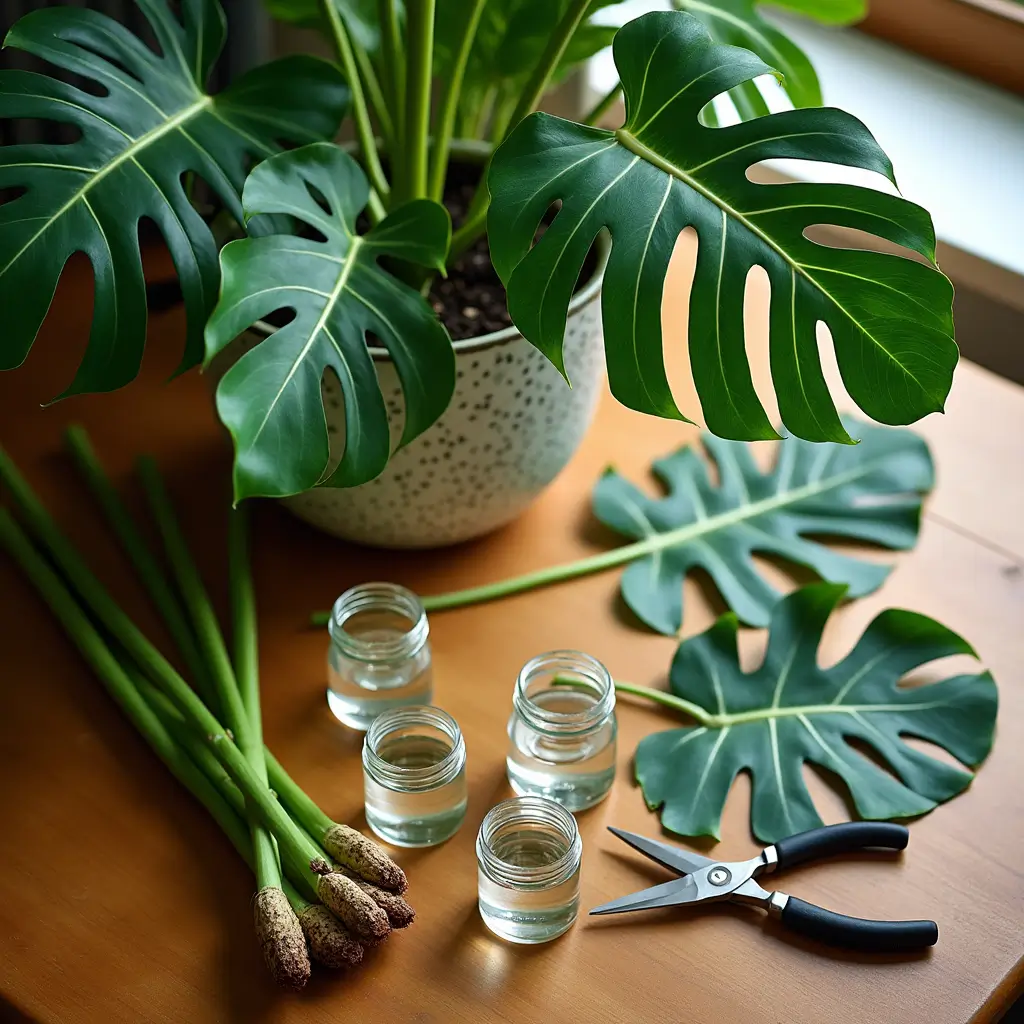
Composite Example: Why Timing Made All the Difference for Pothos Cuttings
A client took pothos cuttings indoors near a north window in winter with no luck after three weeks. Later, they moved cuttings to an east-facing window in early spring, kept nodes submerged but leaves dry, raised room temperature close to 70°F with a small heater, and saw roots within 10 days. The lesson: timing growth cycles and creating the right microclimate matter more than just putting cuttings in water.
Common Reasons Propagation Fails, and How to Fix Them
- No Roots After Weeks: Usually from cold temperatures below 65°F, low light (under 1000 lux), or failing to submerge nodes properly.
- Rotting Cuttings Despite Good Moisture: Often poor sanitation; always sterilize scissors and use fresh media/water.
- Weak Roots That Break Easily When Transplanted: Oxygen deprivation during rooting stage, switch from water propagation to airy soil mix if this happens repeatedly.
- Leaf Cuttings That Don’t Grow Plants: Check if your species is suitable for leaf propagation; some need special hormones you can’t easily apply at home.
A Simple First Try Method for Beginners
To build confidence before tackling details:
- Choose an easy-to-root plant like pothos or spider plant in active growth (spring mornings work well).
- Take several stem cuttings just below nodes with clean scissors. Remove lower leaves so none touch water/soil directly.
- Place cuttings in filtered tap water by a bright east-facing window, not direct sun, and change water every 3 days. Keep room temperature around 70°F if possible.
- Check weekly for root growth; when roots reach about 2 inches long, pot into well-draining soil mixed with perlite.
This straightforward approach lets you see success quickly while learning key habits like cleanliness and patience.
Quick Start Checklist
- Take semi-hardwood stem cuttings during spring-summer active growth
- Use clean scissors; remove lower leaves before placing in medium
- For water propagation: submerge only nodes (not leaves), change water every 3 days
- For soil propagation: use well-draining mix; keep moist but not wet
- Provide bright indirect light near east-facing windows; avoid cold spots (<65°F)
- Maintain humidity without sealing tightly, use trays with pebbles under pots instead of plastic bags
- Wait patiently: most plants take 1–3 weeks before roots appear
Following this checklist will get you started on reliable indoor propagation without frustration.
By paying attention to timing, choosing the right cutting type and medium, controlling humidity carefully, and matching care to your specific plant’s needs, you’ll turn propagation attempts into steady successes rather than guesswork, and enjoy watching your indoor garden grow one cutting at a time.
