Indoor Plants: Matching Care to Your Space for Healthy, Thriving Greenery
Indoor plants improve air quality, boost mood, and add life to any room. However, they need care tailored to the specific conditions of your home or office. This guide focuses on what really matters, measurable factors, common pitfalls, and practical adjustments, to help you grow plants that don’t just survive but flourish.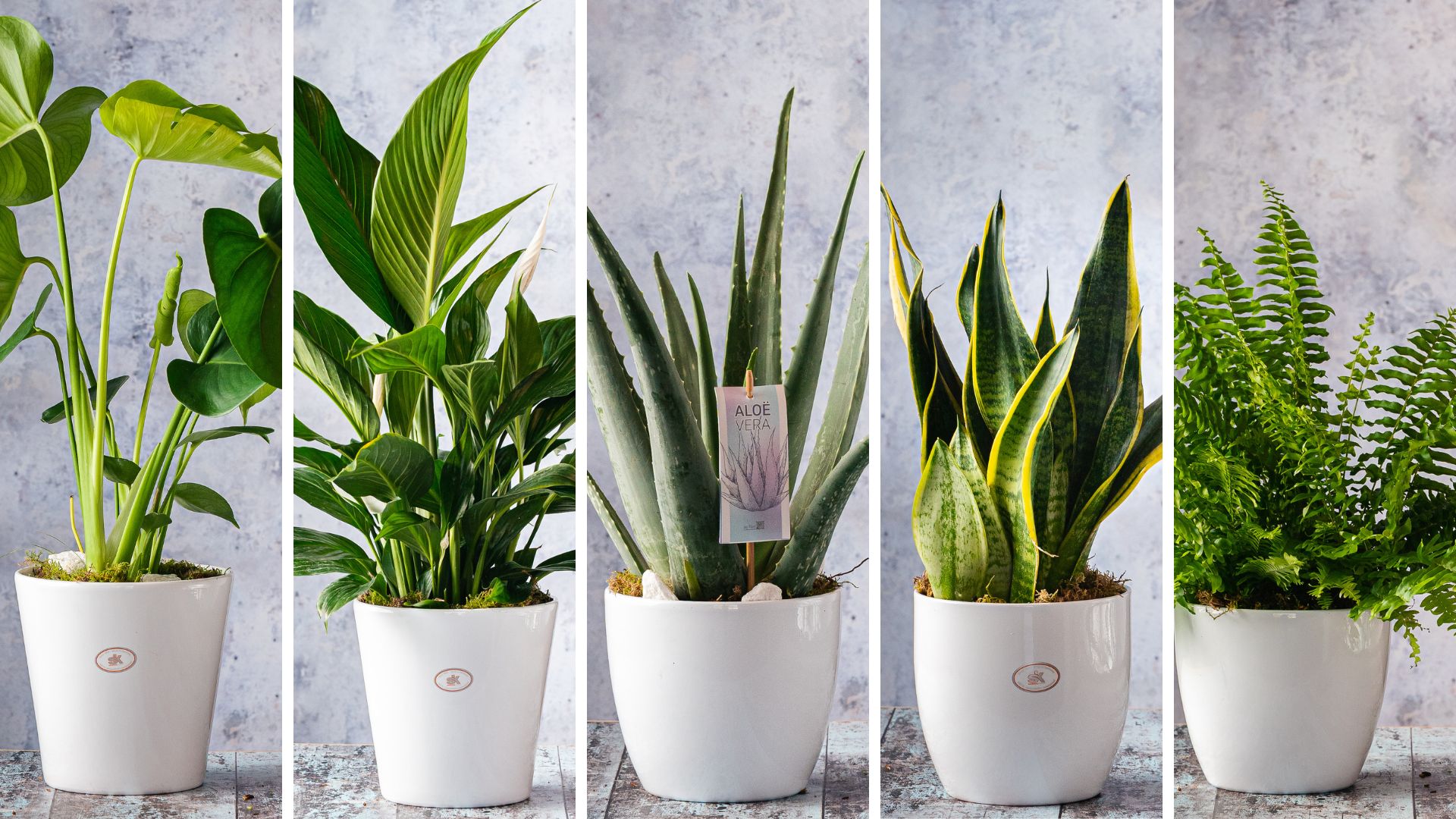
How Indoor Plants Improve Your Environment, But Only When Healthy
Plants do more than decorate. They can reduce certain indoor air pollutants like formaldehyde and benzene by up to 30% in lab settings. They also raise humidity slightly (often 5–10%), easing dry eyes and respiratory discomfort. Leaves absorb some noise, cutting background sounds a bit.
But these benefits depend on the plants being healthy and suited to their environment. Stressed or dying plants won’t clean air effectively and may cause frustration or allergies instead.
Key Decisions That Determine Indoor Plant Success
1. Measure Your Light Levels Before Choosing Plants
Most guides say “low,” “medium,” or “bright indirect” light without details. Light intensity changes with window direction, time of day, season, and nearby obstructions.
- What matters: Plants need enough light (measured in lux) for photosynthesis; too little causes leggy growth (called etiolation), poor color, and vulnerability to pests.
- Trade-off: Low-light tolerant plants grow slowly but survive; high-light plants need more attention.
Practical step: Use a smartphone lux meter app (or a handheld one if available) to check light at different times near your plant spots.
- North-facing windows in many cities give under 100 lux midday, good for snake plants and pothos but too dim for fiddle leaf figs.
- South-facing windows can exceed 1,000 lux midday, great for monstera or succulents but may need shade to prevent leaf burn.
Match your plant choice to these numbers rather than guessing based on vague terms.
2. Adjust Watering to Your Plant Type and Room Conditions
Overwatering is the most common mistake indoors, leading to root rot because soggy soil cuts off oxygen supply.
- Basic rule: Wait until the top inch or two of soil feels dry before watering.
- Trade-offs:
- Succulents prefer dry soil between waterings.
- Tropical foliage plants like consistent moisture without sogginess.
Composite example: One person watered their fiddle leaf fig weekly regardless of season or pot type. Because radiators dried the soil unevenly, they ended up overwatering and causing root rot despite thinking they were careful.
Better method: Check soil moisture with a finger test or moisture meter before watering. Water less in cool winter months when evaporation slows; water more in warm spring/summer periods.
3. Choose Pot Materials That Match Your Watering Habits
The pot you pick affects soil moisture retention significantly:
- Terracotta pots breathe and wick moisture away faster, good if you tend to overwater but require more frequent watering.
- Plastic pots hold moisture longer, better if you prefer less frequent watering but risk root rot if neglected.
- Soilless mixes (peat-free blends) improve airflow around roots but need more frequent feeding since nutrients leach faster.
Pick pot types based on how often you realistically check your plants’ needs and the species’ drought tolerance.
Don’t Overlook Humidity, It’s Critical for Many Plants
Indoor humidity varies widely depending on climate and heating/cooling systems, from below 20% during winter heating seasons to above 60% in humid areas.
- Tropical plants like ferns and calatheas usually want 40–60% humidity; otherwise leaves brown or curl.
- Succulents handle dry air well.
If your home is dry:
- Place pebble trays under pots with water just below pot base level to raise local humidity safely.
- Use humidifiers where possible for consistent control, especially in winter months.
Fertilize Thoughtfully According to Growth Patterns
Indoor plants grow slower than outdoor ones due to limited light and space:
- Use diluted balanced fertilizer every 4–6 weeks during active growth seasons (spring through summer).
- Avoid fertilizing in fall/winter dormancy phases; excess salts build up easily indoors and harm roots.
Less fertilizer is better than too much, overfeeding causes salt crusts that damage roots over time.
Maintenance Habits That Make a Big Difference Over Time
Dust blocks light absorption through leaves; cleaning them monthly restores photosynthesis efficiency.
Pruning encourages bushier growth but depends on species, in some cases heavy pruning can stress or kill a plant if done at the wrong time.
Check weekly for pests such as spider mites or scale insects before infestations take hold. Neem oil sprays or insecticidal soaps applied early prevent chemical treatments later.
Quick Beginner Checklist Based on Your Space
- Map light intensity around potential plant spots using a lux meter app at different times of day.
- Pick plants suited to those readings, for example:
- Dark corner: snake plant, pothos
- Bright indirect: fiddle leaf fig, monstera
- Match pot material with your watering habits (terracotta if you tend to overwater; plastic if less frequent).
- Use appropriate soil mix, succulent mix for drought-tolerant types; organic-rich mix for tropicals.
- Water only when topsoil is dry 1–2 inches deep; adjust frequency seasonally (less in winter).
- Monitor humidity levels; add pebbles trays or humidifiers if below 40%.
- Inspect weekly for pests; clean leaves monthly; prune carefully as needed.
Troubleshooting Common Issues With Simple Checks
| Symptom | Likely Cause | How To Diagnose | Fix It By |
|---|---|---|---|
| Yellowing leaves | Overwatering | Check if soil stays soggy | Reduce watering frequency; ensure drainage |
| Leggy/stretched stems | Insufficient light | Measure lux <100 near plant | Move closer to window or add grow lights |
| Brown leaf tips | Low humidity or excess fertilizer | Dry air (<30%) + white crust on soil | Raise humidity; flush soil with water |
| Leaf drop | Temperature swings | Near heater/AC vents | Move plant away from drafts |
| Sticky residue/webbing | Pests | Look under leaves | Apply neem oil/insecticidal soap early |
Composite Example: Avoiding Root Rot by Matching Light & Watering
An urban apartment dweller bought a fiddle leaf fig because it looks trendy without measuring light levels first. They watered it weekly following generic advice but didn’t check soil dryness because radiators dried out soil unevenly indoors. After two months yellow leaves appeared and roots softened, a classic root rot case caused by low light reducing water use combined with overwatering.
They measured their window’s midday light at under 80 lux, not enough for fiddles but fine for snake plants or pothos. Switching species accordingly plus adopting moisture-based watering revived their greenery within three months without extra fuss, a clear lesson that matching plant needs precisely makes all the difference indoors.
Advanced Tips: Using Data & Tech For Consistent Results
- Adjust watering and fertilization schedules seasonally based on actual growth cues not fixed calendars.
- Propagate via stem cuttings or division during spring for best success rates while observing new growth signals closely.
- Soil moisture sensors paired with smartphone apps remove guesswork from watering decisions, especially useful if managing multiple species with different needs.
- Full spectrum LED grow lights become essential when natural light falls below ~150 lux consistently.
- Join local gardening groups online for advice tailored to your region’s climate quirks beyond generic guides.
Tools & Resources That Help You Stay On Track
Moisture meters are easy tools that help beginners avoid guesswork about when soil is truly dry beneath surface layers.
Full spectrum LED grow lights support photosynthesis when natural sunlight isn’t enough year-round indoors without risking overheating plants.
Neem oil sprays provide chemical-free pest control safe around pets and children while ventilation limits use of harsher pesticides indoors.
Local gardening communities offer region-specific tips about pests, diseases, or seasonal care that generic articles can’t cover well.
Treat Your Home Like Its Own Ecosystem, Adapt & Learn Over Time
No two homes are alike: The same routine that works perfectly in one place might kill plants in another due to differences in humidity, temperature swings, light intensity, ventilation patterns, even potting materials used previously by others living there.
Success comes from observing your plants regularly and adjusting care based on evidence from measurements, not just habit or enthusiasm alone. Each small tweak improves outcomes steadily until thriving indoor greenery becomes part of daily life rather than a source of frustration or wasteful trial-and-error attempts.
By combining fundamental plant biology with data-driven insights unique to your space, and pairing that with consistent maintenance, you turn houseplants into lasting companions offering real benefits inside your home every day.
If you want a simple start right now:
First Three Steps To Get Growing
- Download a free lux meter app and measure sunlight near your favorite spots throughout the day this week.
- Choose one easy-care low-light plant like a snake plant if under 100 lux, or a bright indirect type like monstera above 500 lux.
- Pick terracotta pots if you tend to forget watering sometimes (they dry out faster) or plastic pots if you’re diligent about regular checks.
This approach reduces guesswork dramatically while building confidence as you learn what each plant needs.
This guide aims to make indoor gardening approachable yet precise by focusing on what really moves the needle: measurable conditions matched thoughtfully with species biology plus smart maintenance habits tailored specifically for your home environment.
