One of the hardest lessons with indoor plants is how easy it is to harm them by watering too much. Many people, including myself, water on a fixed schedule instead of checking what the soil really needs. This often leads to root rot, which can quietly kill a plant even when its leaves look healthy.
How Checking “When the Top Inch Is Dry” Helps Prevent Overwatering
This advice isn’t just a handy rule; it’s a way to read your plant’s needs. Feeling the top inch of soil tells you whether the soil has dried out enough to need water again, without disturbing roots or guessing by calendar days.
A common mistake is only checking the very surface (like the top half-inch). If you watered recently, the surface might feel dry while deeper soil stays wet. Or if your pot is large or heavy, the surface dries faster than where the roots actually grow. For example, I once cared for a big monstera in a heavy ceramic pot. The topsoil felt dry after a few days, but below, the soil stayed damp for over a week. To avoid overwatering, I learned to press my finger deeper and also lift the pot to gauge weight: a heavier pot means moisture is still inside.
If your plant looks unhappy but the surface soil is dry, try these quick checks:
- Lift or weigh the pot: heavier means still wet.
- Push a wooden skewer or chopstick deep into the soil: if it comes out moist or muddy, wait before watering.
- Use a moisture meter carefully: readings vary by soil type and should be combined with touch and sight.
Understanding this difference between surface dryness and root moisture helps avoid both over- and underwatering problems.
Watering Thoroughly Without Drowning Your Plant
When you’ve confirmed your plant needs water, how much should you give? Some new plant owners pour until water pools around their pot; others give tiny amounts that never reach roots below the surface.
A reliable method is to water enough so some drains out of the bottom holes. This ensures all roots get hydrated instead of just wetting topsoil where few roots grow. But if your pot doesn’t have drainage holes, this can cause trouble, water builds up at the bottom and drowns roots without you noticing. In this case, either repot into containers with drainage or drastically cut back on watering amount and frequency.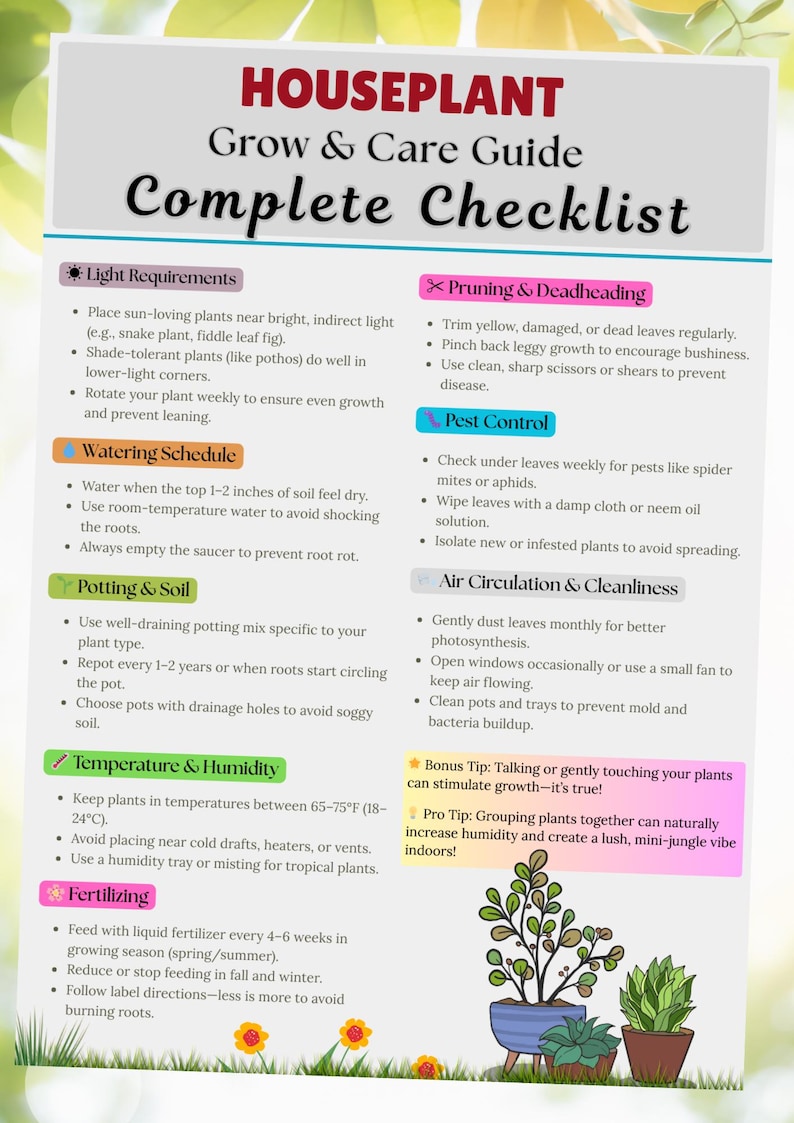
Watch for signs like yellowing leaves and mushy stems, even if you think you’re watering carefully. Sometimes water trapped in saucers or at the bottom causes soggy conditions that mimic underwatering symptoms. Aim for soil that’s moist but not soaking throughout where roots grow, with zero standing water.
Fertilizing When Your Plant Needs It Most
At first I thought any fertilizer would work as long as it had numbers on it. What I learned is that balanced fertilizers, equal parts nitrogen, phosphorus, and potassium (like 10-10-10), work best during active growth periods.
Don’t fertilize on autopilot without matching your plant’s cycle. Feeding during winter rest can build up salts in soil because plants aren’t using nutrients well then; this burns roots and leaf tips.
Adjust fertilizing based on plant type and light levels. Slow-growing or low-light houseplants need less frequent feeding because their metabolism runs slower. For instance, my snake plant gets fertilizer only once every 8 weeks in spring and summer, and even then at half strength, to keep from overfeeding.
Understanding Your Home’s Light Beyond “Bright” or “Low”
Terms like “bright indirect light” don’t always match your home perfectly. Knowing exactly what kind of light reaches your plants helps explain why they may look stretched out or scorched.
Try this simple test with white paper placed where you want your plant:
- No sharp shadows + easy-to-read text = bright indirect light
- Sharp shadows + sunbeam spots = direct light
- Dim text + no shadows = low light
For example, my African violet stretched thin near an east-facing window because it wasn’t getting enough light despite being “near” one. Moving it closer and adding 12 hours daily of LED grow lights brought flowers back within weeks.
Fixing Common Growth Problems With Clear Signs
If your plant struggles despite following basic care:
- Overwatering: Yellow leaves plus mushy stems often mean root rot underneath. Repot quickly with fresh well-draining mix and reduce watering.
- Underwatering: Wilting leaves that perk up after watering show inconsistent moisture. Avoid letting soil dry out completely for long stretches.
- Not enough light: Leggy plants reaching toward windows need more light, move them closer or add grow lights.
- Too much fertilizer: Brown leaf edges suggest salt buildup from overfeeding; flush soil multiple times with water before restarting at reduced doses.
Composite Example: Saving a Fiddle Leaf Fig With Simple Changes
A friend bought a trendy fiddle leaf fig and watered twice weekly as instructed online but soon got yellow leaves. We checked her pot’s moisture together, the soil stayed damp longer than her schedule suggested because she didn’t test before pouring more water.
We switched to watering only when the top inch was dry and moved her fig away from harsh afternoon sun that sometimes scorched leaves. Fertilizer was cut back to every 6 weeks during growing season at half strength instead of monthly full doses.
Within two months her fig grew new healthy leaves for the first time since buying it, a reminder how careful watching beats fixed routines.
When Surface Dryness Can Mislead You About Moisture
Sometimes surface dryness tricks us because bigger pots or dense soils hold moisture deep down longer. To fix this:
- Choose lighter pots (plastic instead of ceramic) that dry faster.
- Repot with fast-draining mixes containing perlite or orchid bark.
- Use moisture meters alongside finger tests until confident interpreting results.
Extra Care for Low-Light Homes
If natural light is limited by window placement or buildings outside:
- Group low-light-tolerant plants near windows.
- Add LED grow lights set on timers simulating daylight hours (12–14 hours).
- Know that some species won’t thrive without extra light, even snake plants struggle in total darkness.
Simple Ways to Remember Fertilizer Timing Without Stress
Link fertilizing with other regular tasks like pruning or pest checks and set phone reminders every 4–6 weeks during growing season. This helps avoid forgetting while preventing toxic buildup from overfeeding.
Quick Checklist for Healthier Indoor Plants Today
- Check soil moisture with your finger at least an inch deep before watering.
- Lift pots to feel weight after watering, heavy means plenty of moisture left.
- Water thoroughly until some flows from drainage holes (if available).
- Avoid fertilizing during winter dormancy; feed slow-growers less often at half strength.
- Test light quality with white paper to find best spots for each plant.
- Watch leaves closely for yellowing (too wet), wilting (too dry), leggy growth (too little light), or browning edges (over-fertilizing).
- Adjust one thing at a time, water less if soggy, move closer to light if leggy, cut fertilizer if tips burn, and track progress weekly.
Indoor plants respond best when treated like living signals tuned specifically to your home’s unique conditions, not just following generic rules blindly. Small observations plus focused changes make all the difference between frustration and flourishing greenery one leaf at a time.
