Fireplaces create a cozy atmosphere, but they require careful attention to stay safe. Skipping even one basic safety step can lead to serious fires or carbon monoxide (CO) dangers. You don’t need complicated routines or costly gadgets, just a few clear, practical actions that catch problems early and prevent hazards.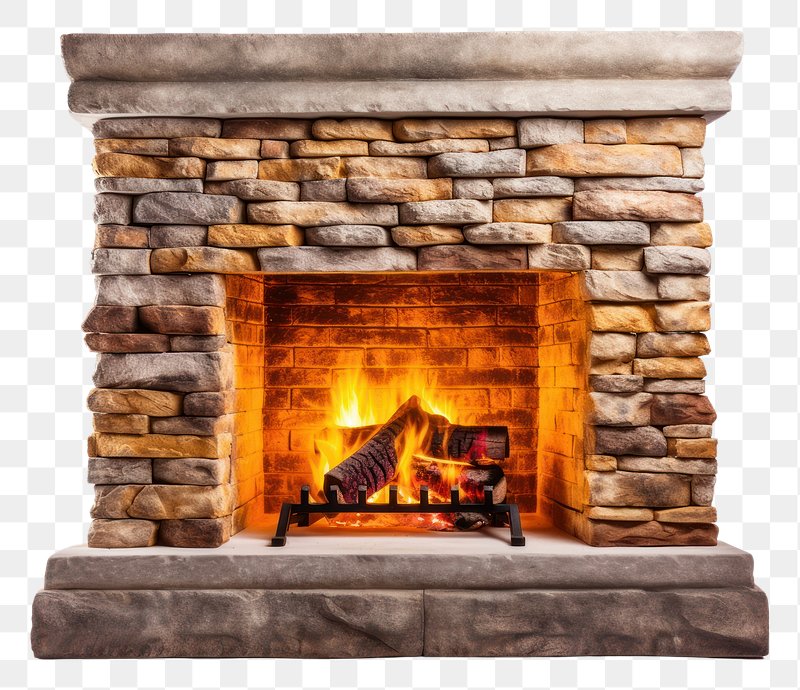
Clean Your Chimney Annually to Stop Hidden Fire Risks
Creosote is a sticky, flammable residue that builds up inside chimneys every time you burn wood. It often goes unnoticed because you don’t see smoke or smell anything unusual. But this buildup can ignite suddenly, causing dangerous chimney fires.
An illustrative example: A homeowner skipped yearly cleanings for years because the fireplace seemed fine. One winter night, creosote caught fire inside the chimney. The flames spread quickly and caused expensive damage that could have been deadly.
A professional chimney sweep does more than remove creosote. They check for cracks, blockages, or damage that could let smoke or invisible carbon monoxide leak into your home. Treat this inspection as essential maintenance, like checking brakes before a long trip.
Place Carbon Monoxide Detectors Right Next to Your Fireplace
Carbon monoxide is odorless and invisible, making it a silent threat near fireplaces. Many place CO detectors in bedrooms or hallways but miss installing them close to the fireplace itself. That’s where CO can build up first if there’s a blockage or poor ventilation.
In one composite example, a family had a CO alarm just outside the living room but none near the fire source. A partial blockage caused CO to accumulate nearby before spreading further into the house. The detector sounded too late to stop symptoms from developing.
Put at least one CO detector within about 10 feet of your fireplace or stove. Test it monthly and replace batteries once a year. This simple step can save lives by alerting you early.
Ensure Proper Ventilation Based on Your Fireplace Type
Modern homes are often sealed tightly for energy efficiency, which can trap smoke and gases indoors if ventilation isn’t right. If you notice lingering smoke after burning a fire or smell something odd, it could mean the damper isn’t fully open or there isn’t enough fresh air coming in.
Opening a nearby window slightly while using your fireplace lets fresh air flow in without chilling your whole house. This helps push exhaust gases like carbon monoxide safely outside instead of building up indoors.
Never Leave Fires Unattended and Use Protective Barriers
Even when flames seem low, embers can flare unexpectedly and send sparks flying outside the fireplace opening. Always use a sturdy screen or glass doors designed for your unit to contain sparks.
Keep anything flammable, blankets, curtains, magazines, at least three feet away from the hearth. Before leaving the room or going to sleep, make sure every ember is fully out.
These habits prevent many fires that start from unattended embers catching nearby materials on fire.
Don’t Rely Only on Smoke Alarms, Combine Safety Measures
Smoke alarms alert you only after smoke fills your home; they don’t stop creosote buildup, blockages, or CO leaks from starting in the first place.
Safe use means layering protections: annual chimney cleaning; CO detectors placed correctly; proper ventilation; safe fire habits like screens and distance for flammables; plus working smoke alarms throughout your home tested regularly.
What To Do If You Suspect Carbon Monoxide Exposure
Symptoms like headache, dizziness, nausea, or confusion around your fireplace should be treated as an emergency warning sign for CO poisoning. Get everyone outside immediately and call emergency services.
Also watch for persistent indoor smoke after fires or black soot lining your hearth edges, these suggest airflow problems needing professional inspection right away.
Clear Steps You Can Take Today
- Schedule an annual chimney cleaning before winter starts.
- Install at least one carbon monoxide detector within 10 feet of your fireplace.
- Check that your damper fully opens and add fresh air by opening a nearby window slightly during use.
- Always use a screen or glass door to keep sparks contained.
- Keep all flammable items at least three feet from the fire.
- Never leave any fire unattended until completely extinguished.
- Make sure smoke alarms are installed on every floor and test them monthly.
If you haven’t had your chimney inspected in over a year, or just moved into a new home, start by finding a certified chimney sweep near you. Local fire departments often have recommendations; national associations offer searchable directories online too.
This inspection uncovers hidden risks before they turn dangerous and sets you up for safe fires all season long. Once cleaned and inspected, install your CO detector nearby if you don’t already have one.
Taking these straightforward steps turns your fireplace into something reliable, a warm spot where you can relax without worry all winter long. Your family deserves that kind of peace of mind every year.
