A Practical Fireplace Guide for Homeowners: Building a Reliable Heating System That Works for Your Home
Installing or upgrading a fireplace isn’t just about picking a pretty hearth. It’s about creating a heating system integrated into your home’s structure, safety profile, and lifestyle needs, one that won’t become a costly or dangerous headache down the road. This guide isn’t theoretical fluff; it’s a step-by-step blueprint grounded in the real-world challenges homeowners face when selecting, installing, and maintaining fireplaces. Along the way, I’ll share decision checkpoints, common failure modes, and how to work through tricky edge cases so you avoid costly mistakes or safety risks.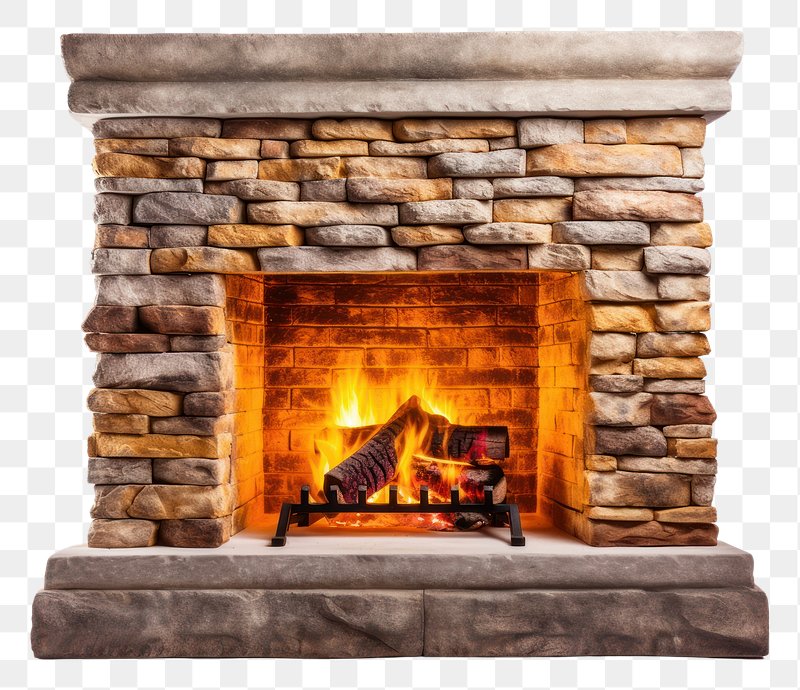
Why Fireplace Choice Is a System Engineering Problem, Not Just Design
Every fireplace functions as part of your home’s thermal envelope and air circulation system. Pick the wrong type or install it poorly, and you might burn more money on fuel than you save, introduce fire hazards, or end up with persistent indoor air quality issues like carbon monoxide exposure.
Think of your house as an ecosystem of airflow, heat retention, and fuel supply. A fireplace doesn’t just produce heat; it interacts with ventilation, structural clearances, fuel logistics, and maintenance cycles.
Key takeaway: Your choice must balance these variables:
How airtight is your house? (Modern tight homes need dedicated combustion air to avoid backdrafting.)
What existing infrastructure do you have? (Chimney? Gas line? Electrical outlets?)
What are your primary goals? (Heating efficiency vs ambiance vs emergency backup)
What local codes apply? (Clearances, vent types, detector requirements)
Without this systems perspective, even the most attractive fireplace can cause chronic problems.
Step 1: Diagnose Your Home’s Fireplace Compatibility, A Checklist Approach
The Critical Assumptions to Validate Before Selecting
- Is there an existing chimney or venting system?
Yes: Check its condition with a professional inspection before committing to wood or gas. Old clay liners may be cracked or unsafe.
No: Wood fireplaces require chimney construction or alternatives like zero-clearance models with metal chimneys. Gas direct-vent units can use sealed vents through walls.
- What fuel sources are accessible and affordable long-term?
Wood might be cheap but demands storage space and dry conditions.
Natural gas requires available pipelines and licensed hookups.
Electricity is universal but costly for sustained heating.
- How airtight is your home’s structure?
- High airtightness can starve combustion appliances of oxygen unless dedicated air intakes are installed.
- What space constraints exist?
- Fireplace size impacts both heat output and clearance requirements; small rooms cannot tolerate large radiant units safely.
- Are local building codes restrictive on emissions or installation types?
- Some areas ban traditional open wood fires due to pollution concerns, pushing toward EPA-certified inserts or gas units.

Step 2: Matching Fireplace Types to Your Reality, Decision Matrix With Edge Cases
| Fireplace Type | When It Works Best | Key Installation Challenges | Edge Cases & Failure Modes |
|---|---|---|---|
| Wood-Burning Masonry | You have space, existing chimney or budget for new one; want authentic heat | Chimney inspection & rebuilding if needed; creosote buildup risk | Poorly maintained chimney leads to fire hazard; inadequate combustion air causes smoke backflow |
| Zero-Clearance Wood Inserts | No masonry chimney but willing to build vented metal chimney | Requires structural modifications; higher cost | Incorrect clearance causes fire risk; improper venting leads to carbon monoxide |
| Direct-Vent Gas Fireplace | Limited space; want clean convenience; existing gas line accessible | Gas line installation requires licensed pro; proper vent routing mandatory | Pilot light failure; carbon monoxide alarms must be present |
| Electric Fireplace | Renters or homes without ventilation options; ambiance priority only | Minimal installation needed; low heat output | Over-reliance on electric heat may spike bills in cold climates |
| Pellet Stove | Desire efficient wood heating with less maintenance than wood logs | Electricity required for feed system; pellet storage needed | Power outage disables pellet feed; poor pellet quality clogs burner |
Step 3: Systematic Installation Planning, Avoid These Real Pitfalls
Common Mistake #1: Ignoring Combustion Air Needs in Modern Homes
I’ve seen airtight homes where wood fireplaces caused smoke to leak indoors because no fresh air was supplied for combustion. If your home is energy-efficient and sealed tightly, insist on installing dedicated outside air vents sized according to appliance specs.
Common Mistake #2: Skipping Pre-Installation Chimney Inspections
Old chimneys frequently hide cracks in tiles or mortar gaps invisible from the living room. This leads to dangerous creosote fires after months of use. Never assume “if it looks okay” is enough, always get a Level 2 chimney inspection before retrofit.
Common Mistake #3: Undersizing or Oversizing the Unit for Your Space
Calculating BTU requirements requires factoring in not just square footage but ceiling height, insulation quality, window area, and climate zone. Oversized fireplaces overheat rooms causing discomfort and wasted fuel; undersized units leave you frustrated by inadequate warmth.
Step 4: Maintenance Is the Other Half of Reliable Operation
A fireplace isn’t “set it and forget it.” Its safety depends on consistent upkeep:
Schedule annual professional chimney sweeps during off-season regardless of visible soot levels.
Inspect damper operation quarterly to ensure it seals properly when not in use (preventing heat loss).
Use moisture meters on stored wood before burning, wet wood increases creosote drastically.
Regularly test carbon monoxide detectors near fireplaces and sleeping areas at least monthly during heating season.

Troubleshooting Real-Life Problems: Diagnosis and Actionable Fixes
| Symptom | Likely Cause | Diagnostic Checkpoint | Corrective Action |
|---|---|---|---|
| Smoke fills room when lit | Closed/partially closed damper; blocked flue; insufficient combustion air | Open damper fully; inspect chimney clearance & blockage; check air intake vents | Clean chimney professionally; add dedicated outside combustion air if needed |
| Fire won’t stay lit | Damp wood or faulty ignition components (gas pilot) | Moisture test firewood >20%; inspect gas pilot light assembly if gas unit | Store dry wood in ventilated area at least 6 months before use; replace pilot parts professionally |
| Persistent smoky odor | Creosote buildup inside flue | Visual chimney inspection with camera or mirror scope | Schedule thorough chimney sweep including creosote removal |
| Fluctuating heat output | Thermostat malfunction (gas); pellet feed jams (pellet stove) | Test thermostat settings & battery; observe pellet hopper feed mechanism | Repair/replace thermostat components; clean pellet hopper/feed system |
Composite Example: Solving an Unexpected Backdraft Problem in a Retro-Fit Wood Fireplace
A homeowner retrofitted a zero-clearance wood insert into an existing masonry fireplace without adding dedicated combustion air vents. The house was sealed tightly after recent energy upgrades. After initial success, they noticed smoke drifting into living spaces intermittently during windy days or when exhaust fans ran elsewhere in the home.
Diagnosis: Negative pressure inside the home was reversing draft direction due to lack of fresh air supply for combustion.
Solution: Installed a louvered exterior wall vent connected directly via ductwork near the fireplace’s base to supply outside air for combustion. This stabilized draft pressure balance and eliminated indoor smoke infiltration.
Summary Action Plan to Build Your Fireplace System Right
Audit your home’s ventilation tightness, existing chimneys/vents, fuel availability, and space constraints using the checklist above.
Consult local building codes early to confirm allowable fireplace types and required clearances/detectors.
Match fireplace types against your specific context using the decision matrix rather than defaulting to traditional options out of habit or aesthetics alone.
Hire certified professionals for inspections before purchase (chimney sweeps) and installation (licensed plumbers/electricians).
Plan your budget realistically, including hidden costs like permits, annual maintenance, detector installations, and fuel logistics.
Develop a seasonal maintenance routine focused on combustion air verification, damper checks, soot/creosote cleaning schedules, and detector testing.
Prepare contingency plans such as backup heating methods if using pellet stoves reliant on electricity during power outages.
Fireplaces are more than decorative features, they are integral heating systems whose success hinges on holistic planning and ongoing care tailored precisely to your home's characteristics and your household needs. Embracing this thorough approach will save you money from expensive repairs or replacements later while delivering safe warmth and comfort year after year without surprises.
With these grounded strategies, you’re equipped not just to select a fireplace but to engineer an efficient heating system that performs reliably under both normal conditions and edge cases, making cozy evenings by your hearth truly worry-free.
