When my friend Sarah decided to upgrade her aging wood-burning fireplace, she imagined cozy nights by a flame without the choking smoke and sky-high heating bills. But as she dug deeper, she discovered the eco-friendly fireplace market was a minefield of confusing claims and hidden compromises.
Her journey revealed something crucial that most guides overlook: choosing a sustainable fireplace isn’t just about picking the “greenest” label. It’s about understanding the quiet trade-offs between fuel type, emissions, maintenance, and how your home’s setup either amplifies or undermines eco benefits.
Let me share the lessons from Sarah’s experience, lessons that could save you time, money, and disappointment when seeking your own eco-friendly hearth.
Why “Eco-Friendly” Labels Often Miss the Mark
Sarah almost bought an ethanol fireplace because the ads touted “zero emissions” and renewable fuel. But when she asked the dealer for details on where the bioethanol came from, she learned many suppliers use corn or sugarcane crops grown with heavy pesticides and transported thousands of miles. The carbon footprint of production alone undercut much of the “clean burn” advantage.
This is common: many fireplaces labeled “eco-friendly” focus narrowly on combustion emissions but ignore upstream fuel sourcing or lifecycle impacts. Electric fireplaces are another example, while they produce no indoor smoke, their environmental impact hinges entirely on your electricity mix. In Sarah’s rural area, power still comes mostly from fossil fuels, so running an electric unit for hours each evening would actually increase her household’s carbon footprint.
The takeaway: Don’t take “eco-friendly” at face value. Ask for EPA certifications and dig into fuel origins. If you go electric, check how your grid generates power; otherwise, consider renewable energy offsets or solar panels first.
The Hidden Inefficiency of Retrofits on Wood Fireplaces
Sarah initially hoped to retrofit her existing wood fireplace with a catalytic converter and a filter to reduce pollution. After one winter experimenting with these mods (an illustrative example), she found soot buildup remained high and smoke still entered her living room on damp days. The real problem wasn’t just particulate matter, it was fundamental heat loss through an unsealed chimney and incomplete combustion in an open hearth.
Switching to an EPA-certified pellet stove made a tangible difference: heat stayed inside the house instead of escaping chimney-bound, and emissions dropped dramatically. Her heating costs shrank too because pellets burn more efficiently than logs.
What this shows: Retrofitting an old wood fireplace can reduce some smoke but won’t solve inefficiency or toxic gas issues fully. If replacing your entire unit isn’t feasible immediately, focus on burning dry, well-seasoned hardwood and improving ventilation, but plan for an upgrade sooner.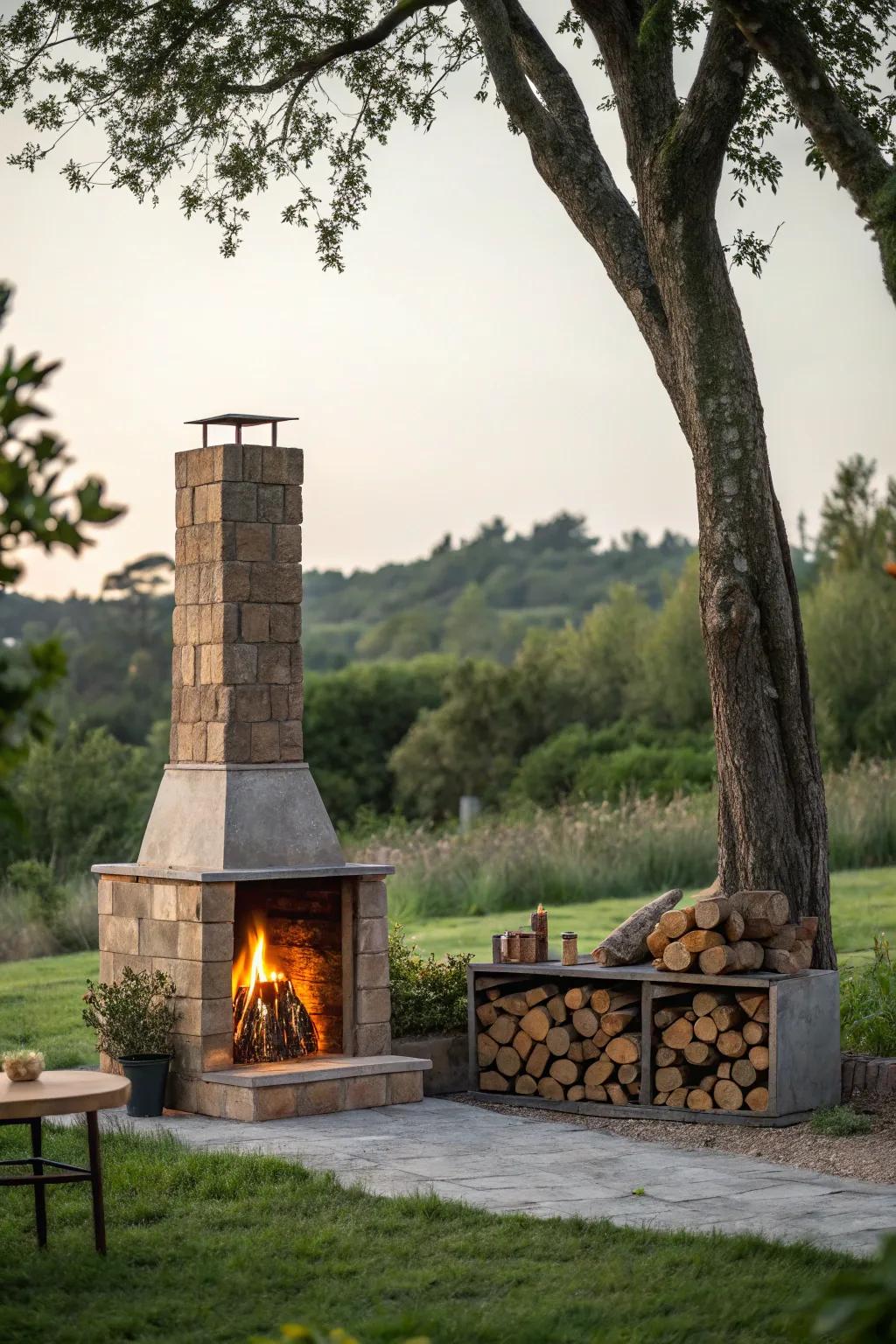
Ventilation Is the Overlooked Key with Ethanol Fireplaces
Ethanol models are popular because they don’t need chimneys or vents, making installation easier. But during Sarah’s research, she discovered that burning bioethanol indoors releases carbon dioxide along with small amounts of formaldehyde and acetaldehyde, gases that can degrade indoor air quality if ventilation is poor.
Several blogs claim these fireplaces are “emission-free,” but real-world use tells a different story. Sarah bought one but only used it in rooms with windows cracked open or near exhaust fans. She never relied on it as her main heat source, just as an aesthetic supplement during gatherings.
Lesson: Ethanol fireplaces are best thought of as mood lighting with warmth perks, not replacements for efficient heating. Always ensure ample airflow wherever you install them.
Electric Fireplaces: The Unseen Costs of Convenience
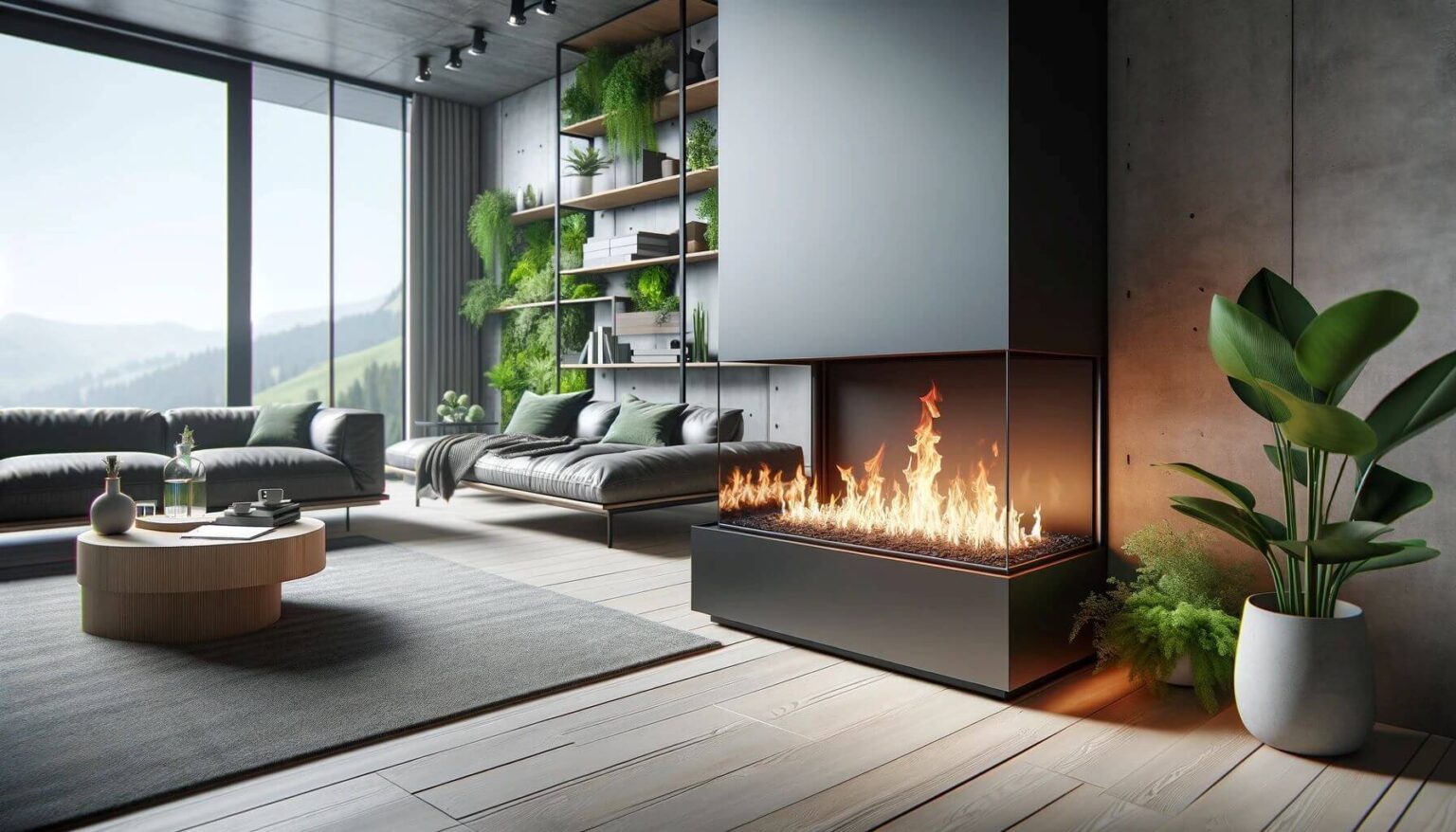
When evaluating electric fireplaces for Sarah’s mother’s condo in town, I cautioned that the lack of a real flame means a less authentic atmosphere; plus they rely on resistance or infrared heating that can spike electricity bills if overused.
In places where electricity comes mainly from coal or gas plants, as it did in Sarah’s mom’s city, the indirect carbon emissions tied to electric heating remain significant despite zero indoor smoke.
We paired an electric unit with a green energy plan purchased through their utility company to mitigate this impact. The electric fireplace now serves as supplemental heat during chilly evenings rather than primary warmth.
This highlights: Electric fireplaces’ eco-credentials depend heavily on your local energy mix and usage habits, something often glossed over when shopping.
Pellet Stoves: Worth the Upfront Investment?
Many hesitate at pellet stoves because they imagine complicated feed systems and expensive fuel. Sarah did too until she saw her neighbor’s setup, simple controls, pellets stored in plastic bags next to the unit, and only quarterly cleaning needed.
After two winters using pellets made from compressed sawdust waste, her neighbor reported lower heating bills than ever before along with noticeably clearer indoor air, a real win compared to smoky wood fires.
In fact, several states offer rebates that can offset installation costs significantly; Sarah found one such program online during her research phase but almost missed it because dealers didn’t mention it upfront.
Key insight: While pellet stoves require some attention to maintenance and fuel restocking logistics (which may be inconvenient if supply is patchy), their efficiency gains and emission reductions often justify these trade-offs, especially if incentives are available.
What Truly Defines an Eco-Friendly Fireplace for Your Home?
Sarah’s story boils down to this checklist she developed after months of research:
- Fuel origin matters: Renewable doesn’t always mean sustainable unless crop practices and transport are accounted for.
- Verify certification: EPA-certified pellet stoves have strict emission limits; ethanol burner efficiency varies widely.
- Efficiency reduces waste: A unit that wastes less fuel inherently lowers emissions even if fuel itself is low-carbon.
- Home ventilation is non-negotiable: Indoor air quality depends on venting combustion byproducts safely outdoors.
- Consider total impact: Materials used in manufacturing, fuel production emissions, and end-of-life disposal all add up.
- Local context rules: What works eco-wise in urban areas may not translate outdoors in off-grid rural homes or vice versa.
Where To Begin Your Own Eco-Friendly Fireplace Search
- Reflect honestly on what matters most, is your priority cutting carbon footprint? Or is ease of maintenance or upfront cost more urgent? Sometimes compromises are necessary.
- Reach out to dealers certified by EPA or equivalent bodies, not just anyone claiming “green” products.
- Hunt down local rebates early in your process; they can make upgrades affordable.
- Never skimp on ventilation planning; improper venting undermines health benefits entirely.
- Calculate ongoing fuel costs based on availability near you (pellets vs bioethanol vs electricity).
- Whenever possible, see actual fireplaces running before buying to gauge heat output and ambiance firsthand.
Sarah’s upgrade from an open hearth to a certified pellet stove transformed her winter experience: cleaner air inside her home, lower bills outside, and peace of mind knowing she made thoughtful choices rather than falling for marketing hype.
Your journey will differ depending on your home environment and values, but understanding these lesser-known trade-offs ensures your decision won’t just feel good today but perform sustainably year after year. That kind of confidence starts with asking tough questions about certification details, fuel sourcing, and ventilation, not just chasing labels or ads.
If you’re ready now: compile a list of EPA-certified pellet stove models online, contact local dealers about rebates in your area, and schedule a consultation focusing specifically on proper venting design before purchase. That single step can save months of frustration later, and bring true warmth without unwanted environmental costs into your home right away.
