Mastering Your Wood-Burning Fireplace: A Practical Guide Focused on Real Results
A wood-burning fireplace is a functional heating appliance, not just a decorative feature. Many owners start with enthusiasm but soon face problems like smoky rooms, poor heat output, or unexpected maintenance. These issues usually stem from overlooked details about how the system actually works and what it needs to operate efficiently and safely.
This guide breaks down the process clearly, from initial inspection through advanced upgrades, focusing on observable outcomes. You’ll learn how to identify issues with measurable signs, choose the right solutions, and track improvements so your fireplace reliably delivers warmth without smoke or hazards.
Why Fireplace Users Often Struggle at First: Common Hidden Problems
A homeowner I once advised kept complaining about smoke entering their living room despite using “seasoned wood” and keeping the chimney clean. Inspection revealed multiple small but critical faults:
- Wood stored directly on damp ground, preventing proper seasoning
- A partially blocked chimney flue caused by bird nesting debris
- A damper that didn’t fully open due to warping
Each problem alone might not cause major trouble, but combined they severely reduced draft and airflow, resulting in smoke spillage indoors and weak heat.
This example highlights why standard advice, “burn seasoned wood,” “clean your chimney”, is necessary but insufficient alone. The key is confirming draft strength, airflow control, and tailored maintenance based on your specific setup.
Key Fireplace Components That Affect Performance and Safety
Understanding each part’s role helps you diagnose problems more precisely:
- Firebox (Combustion Chamber): Size and insulation determine burn intensity. Larger fireboxes need more fuel but can produce more heat if managed properly.
- Fireplace Grate: Lifts logs off the floor for air circulation underneath. A rusted or undersized grate restricts oxygen flow causing smoldering.
- Damper: Regulates air intake through the chimney. Leaky or poorly sealing dampers waste heat or allow dangerous backdrafts.
- Chimney/Flue: Must be clear of obstructions and sized correctly relative to firebox volume for proper draft. Poor draft leads to indoor smoke.
- Hearth: Primarily a safety barrier made of non-combustible material; it has minimal effect on burning efficiency.
Outcome check: If your fire burns well but smoke fills the room, suspect damper leaks or chimney blockage rather than fuel quality alone.
How to Choose Wood Fuel That Burns Hot Without Hidden Drawbacks
Wood seasoning means drying wood until moisture content falls below roughly 20%. Above this level, energy is wasted evaporating water instead of heating your home.
Simple tests:
- Split logs should show radial cracks at their ends.
- Tapping two pieces together produces a sharp “clink” sound; wet wood sounds dull.
Using unseasoned or green wood causes:
- Up to 50% reduction in heat output
- Rapid creosote buildup inside chimneys increasing fire risk
- Visible thick smoke minutes after lighting
For consistent performance:
- Use dense hardwoods like oak or hickory for long-lasting coals and steady heat.
- Use softwoods only as kindling because they burn fast and produce sticky resin deposits.
- Store logs off the ground under a ventilated cover; avoid stacking tightly against walls which slows drying.
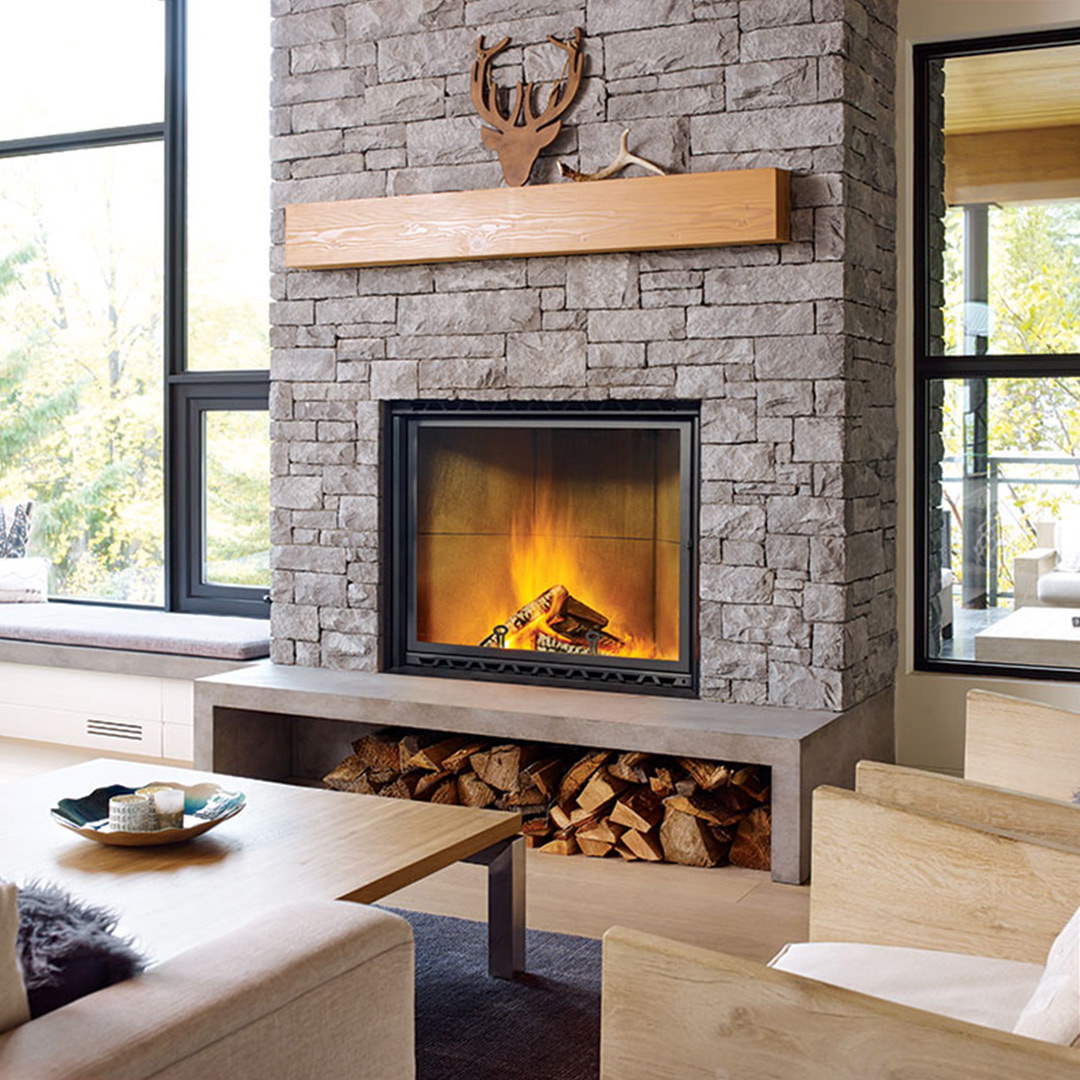
Step-by-Step Approach To Operating Your Fireplace Safely And Efficiently
- Professional Initial Inspection
Even if your fireplace is new or little used, have a certified Level 1 chimney inspection done that checks:
- Flue size and condition relative to firebox volume
- Creosote deposits or blockages
- Damper operation and seal integrity
- Signs of moisture damage in masonry or metal parts
Benchmark: No obstructions; damper moves freely between open/closed; chimney height meets local code for proper draft.
- Prepare Tools and Fuel
Select a cast iron grate that fits your firebox dimensions closely, too large wastes space; too small chokes airflow beneath logs.
Stockpile at least six months’ supply of hardwood seasoned outdoors under cover. Avoid newspaper as starter, it creates excess smoke; use waxed wood shavings or commercial eco-friendly starters instead.
- Build Fires Using the Top-Down Method
This method reduces startup smoke by lighting kindling last so flames burn downward through larger logs:
- Place 2–3 large logs at bottom of firebox
- Stack medium-sized logs above them
- Lay kindling on top layer
- Fully open damper before lighting
After about 10 minutes, test draft by feeling airflow near hearth opening (or use a smoke puff tester). Strong upward flow correlates with cleaner combustion.
- Maintain Fire Health
Watch flame color, bright orange with blue tips indicates good oxygen flow; dull yellow-orange suggests restricted air supply. If smoke appears indoors, increase airflow slightly by adjusting damper or doors if airtight glass doors are installed.
- Clean Up Safely After Each Burn
Wait until ashes cool overnight before removing them. Maintain around one inch of ash bed, it acts as insulation speeding next ignition while trapping hot embers safely.
Diagnosing Common Issues Based on Measurable Symptoms
Problem: Persistent Indoor Smoke Despite Open Damper
Likely Causes:
- Partial flue blockage from debris or nests reducing draft strength
- Negative indoor air pressure due to tight building envelope without makeup air source
- Damper not sealing properly allowing backflow
Fixes:
- Schedule professional chimney sweep focused on removing obstructions
- Crack a nearby window slightly when lighting fires until flue warms up and draft stabilizes
- Check damper seal using incense smoke test; repair or replace if leaks found
Problem: Fire Dies Quickly Or Produces Excess Smoke
Indicators:
- Wet or green wood confirmed visually (lack of end cracks; heavy weight)
- Grate clogged with ash reducing oxygen under logs
- Overloaded firebox restricting airflow between logs
Solutions: Replace fuel with well-seasoned hardwood stockpile; clear ash from grate area regularly; arrange logs loosely ensuring air gaps around each log for better oxygen circulation.
Advanced Strategies To Improve Heat Output And Safety With Quantifiable Gains
Installing Fireplace Inserts To Boost Efficiency
Open masonry fireplaces often have efficiency below 20% because much heat escapes up the chimney. Steel inserts create sealed combustion chambers with controlled airflow and insulation that can raise efficiency above 70%.
Post-installation metrics: Track fuel consumption weekly versus previous winters; measure temperature differences in main living areas during burn periods.
Example from practice: One owner cut wood usage in half while maintaining comfortable room temperatures after installing an EPA-certified insert with glass doors.
Adding Chimney Caps And Spark Arrestors For Longevity And Safety
Caps prevent rainwater entry that degrades internal masonry over time causing hidden cracks leading to expensive repairs later.
Spark arrestors reduce risk of roof fires by catching flying embers, critical in dry seasons when vegetation around homes is combustible.
Check caps after heavy rainstorms for damage early before it worsens.
Performing Draft Tests For Ongoing Maintenance Assurance
Use commercially available smoke puff testers at hearth level with damper open:
- Observe time taken for smoke to exit top of chimney visually or via sensors
- Slow evacuation indicates partial blockage requiring cleaning
- Consistent testing helps detect gradual performance decline before symptoms appear indoors
Essential Tools For Maintaining Safe And Efficient Fireplace Operation
| Tool | Purpose | Measurable Benefit | Notes |
|---|---|---|---|
| Chimney Sweep Brush Kit | Removes soot between professional cleanings | Reduces creosote buildup risk by ~15% | Only if chimney is accessible |
| Cast Iron Fireplace Grate | Optimizes oxygen flow under burning logs | Boosts flame temperature by up to 25% | Match size closely |
| Creosote Sweeping Log | Chemically reduces soot deposits | Extends intervals between cleanings | Not a substitute for brushing |
| Carbon Monoxide Detector | Detects dangerous CO leaks | Protects occupants from silent poisoning | Test batteries regularly |
| Smoke Puff Tester | Diagnoses draft issues | Pinpoints ventilation problems accurately | Requires learning curve |
Composite Example Illustrating Incremental Improvements Based On Data
A homeowner struggled with heavy indoor smoke despite following basic advice:
- Inspection uncovered partial bird nest blocking flue cutting draft by about 30%. Removing debris improved airflow noticeably.
- Switching from pine stored indoors (high moisture content) to outdoor-seasoned oak reduced visible smoke by ~40%.
- Installing correctly sized cast iron grate increased oxygen supply under logs, verified by brighter flame color shifting from dull yellow to orange-blue tips.
- Adding spark arrestor prevented embers escaping onto wooden deck during windy days enhancing safety significantly.
Result: Room temperature rose steadily using same volume of fuel while eliminating all indoor smoke complaints over several winter months.
Clear Action Plan To Improve Your Wood-Burning Fireplace Starting Today
- Arrange professional fireplace/chimney inspection focused on draft measurement plus structural integrity.
- Acquire essential tools including properly sized grate, quality fire starters, carbon monoxide detector.
- Store hardwood outdoors under cover for at least six months ensuring <20% moisture content.
- Adopt top-down fire building technique reducing startup smoke emissions.
- Monitor flame color and indoor air quality cues regularly adjusting airflow as needed.
- Schedule annual professional sweeping plus mid-season DIY brush cleaning if accessible.
- Consider efficiency upgrades like inserts or chimney caps guided by observed inefficiencies.
- Educate everyone in household on safe operation habits, never leave fires unattended or burn trash/treated materials.
Managing Complexity Through Observation And Data-Informed Adjustments
Improving your fireplace’s performance is not guesswork but systematic troubleshooting guided by measurable signs such as flame brightness, draft strength, fuel moisture content, and indoor air quality indicators like CO detectors.
This approach minimizes frustration while maximizing safety and warmth throughout many winters ahead, making your hearth a reliable cornerstone of home comfort rather than an unpredictable annoyance.
By focusing on concrete outcomes rather than generic rules you gain practical control over every stage, from initial inspection through advanced optimization, ensuring each intervention delivers clear benefits you can see and feel immediately.
