The Essential Fireplace Tools and What They Actually Do
Using the right fireplace tools makes a big difference in how safely and efficiently your fire burns. Each tool has a clear purpose that helps keep your fire controlled and your home safe.
- Poker: This is not just for poking randomly. A poker’s sturdy, long design lets you move logs carefully to keep air flowing well. Without it, logs might shift suddenly, causing sparks or a smoky fire.
- Tongs: Grabbing burning wood with bare hands or kitchen tools is risky. Tongs give you a firm grip on logs and embers, reducing the chance of dropping hot pieces outside the fire.
- Shovel: Scooping ashes with household items often spreads dust and makes cleanup messier. Fireplace shovels have wide, flat blades that scoop ashes cleanly for easy removal.
- Brush: Ash settles in corners where other tools can’t reach. A stiff brush cleans these spots to keep air flowing freely around the fire.
Missing any one of these tools or using poor substitutes often causes specific problems, like blocked airflow from ash buildup or logs moving too much and throwing sparks. Knowing what each tool should do helps you spot trouble early.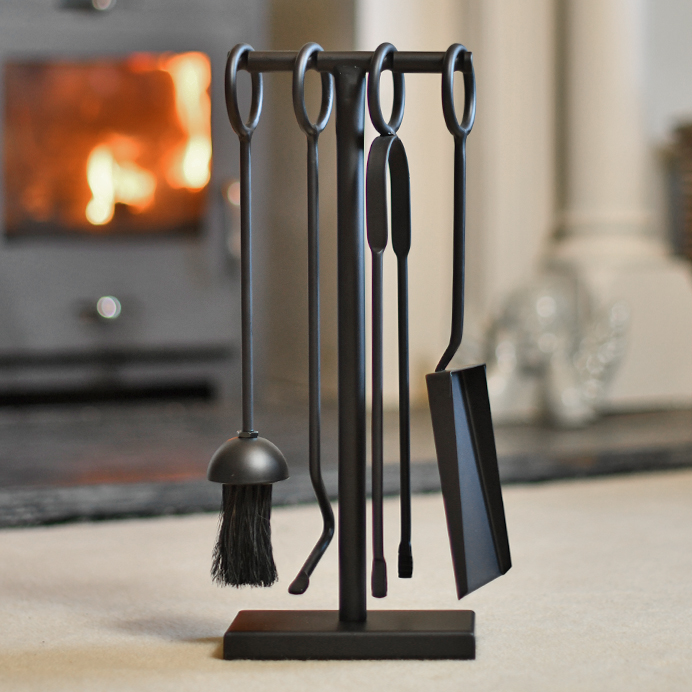
Why Using Makeshift Tools Can Lead to Burns and Fire Problems
People often try adjusting burning wood with bare hands or everyday items, but this is dangerous and inefficient.
Common problem: Sparks flare up unexpectedly, or embers drop outside the hearth.
How to check: Think back to your last fire: did you ever touch burning wood directly or use short tools that forced your hand close to flames? That’s a sign you need proper fireplace tools.
Improvised tools are usually too short or made of materials that can’t handle heat well. Investing in steel tools with handles about 18–24 inches long keeps your hands safely away from flames. Tongs designed for gripping logs also stop hot embers from falling accidentally, a major safety improvement.
When and How to Remove Ashes Without Killing Your Fire
Ash removal timing matters. Too much ash blocks airflow, suffocating your fire; too little removal wastes heat trapped in leftover coals.
Common problem: Smoke and weak flames caused by heavy ash buildup.
How to check: After several fires, look inside your firebox. If ash sits deeper than about one inch, it’s time to clean it out.
What to do: Remove ashes once they accumulate beyond an inch during periods of regular use. If you don’t burn fires often, cleaning out ashes every 3–5 fires works fine. Always wait at least 24 hours after the last fire before cleaning, embers can stay hot longer than you think.
Use thick gloves rated for heat and scoop ashes into a metal bucket with a lid. Store this bucket outside on a non-flammable surface until everything cools completely; this prevents unexpected fires from leftover sparks in ashes.
Helpful Accessories That Make Fireplace Care Easier and Safer
Some extra gear can solve common headaches:
- Ash bucket with lid: Stops ash dust from spreading indoors when you carry it away.
- Fireplace gloves: Thick leather gloves protect your hands from burns and help you hold logs firmly.
- Log holder/rack: Keeps wood dry and organized near the fireplace; damp wood creates smoke and trouble starting fires.
- Fireplace screen: Blocks sparks from flying into your room, protecting carpets and furniture.
- Bellows: Adds controlled bursts of air when flames need reviving without risking sudden flare-ups.
Illustrative example (composite): One homeowner used an open bucket for ash cleanup and constantly battled dust clouds indoors. Switching to a lidded metal bucket cut cleanup time in half, and their living room stayed cleaner during winter evenings.

Common Mistakes That Increase Fire Risks, and How to Spot Them
Certain tool habits lead to trouble:
- Adjusting logs immediately after adding them causes sudden shifts and flying sparks.
- Rusty or bent tools lose grip control, making log handling unpredictable.
- Letting ash pile up blocks air needed for steady flames.
- Leaving tools outside exposes them to weather damage; rusted tools fail sooner than expected.
How to check: After flare-ups or messy cleanups, inspect your tools for rust or warping. Look inside the firebox, if ash piles higher than one inch regularly, clean more often. Also note how soon after adding wood you try adjusting logs; waiting even 10 minutes helps prevent accidents.
Practice Makes Confidence: Simple Steps To Improve Your Fireplace Skills
Treat tending your fireplace like learning any new skill: practice slowly until it feels natural.
Try this before lighting your next fire: pick up cold logs using just your poker and tongs multiple times until handling feels steady without fumbling. Arrange your tool rack within easy reach so grabbing the right tool becomes automatic rather than grabbing whatever is nearby out of habit or haste.
Don’t worry if it takes time, that’s normal. Every experienced fireplace user started unsure but built safe habits through repeated effort.
Quick Actions You Can Take Today for Safer Fires
- Check if you have all essential tools: poker, tongs, shovel, brush, replace any missing ones soon.
- Set a cleanup routine based on how often you use the fireplace; weekly works well if daily.
- Buy heat-resistant gloves if you don’t already have them, they prevent painful burns.
- Store all tools somewhere dry but close enough so using them is convenient during fires.
- Practice moving cold logs with proper tools now so it feels natural when the fire is lit.
By focusing on clear tasks, using correct tools properly, cleaning ash at the right time, protecting yourself with gloves, and practicing deliberately, you’ll reduce surprises like flare-ups or smoky fires quickly. Keeping these details in mind makes caring for your fireplace less chore-like and more manageable throughout colder months.
