Choosing the right fireplace means matching the technology to your home’s setup, your daily habits, and how much effort you’re ready to put in. Many homeowners jump into a choice based on looks or assumptions and end up frustrated with unexpected costs or chores. This guide breaks down what matters most for wood, gas, electric, and pellet fireplaces so you can make a clear, practical decision.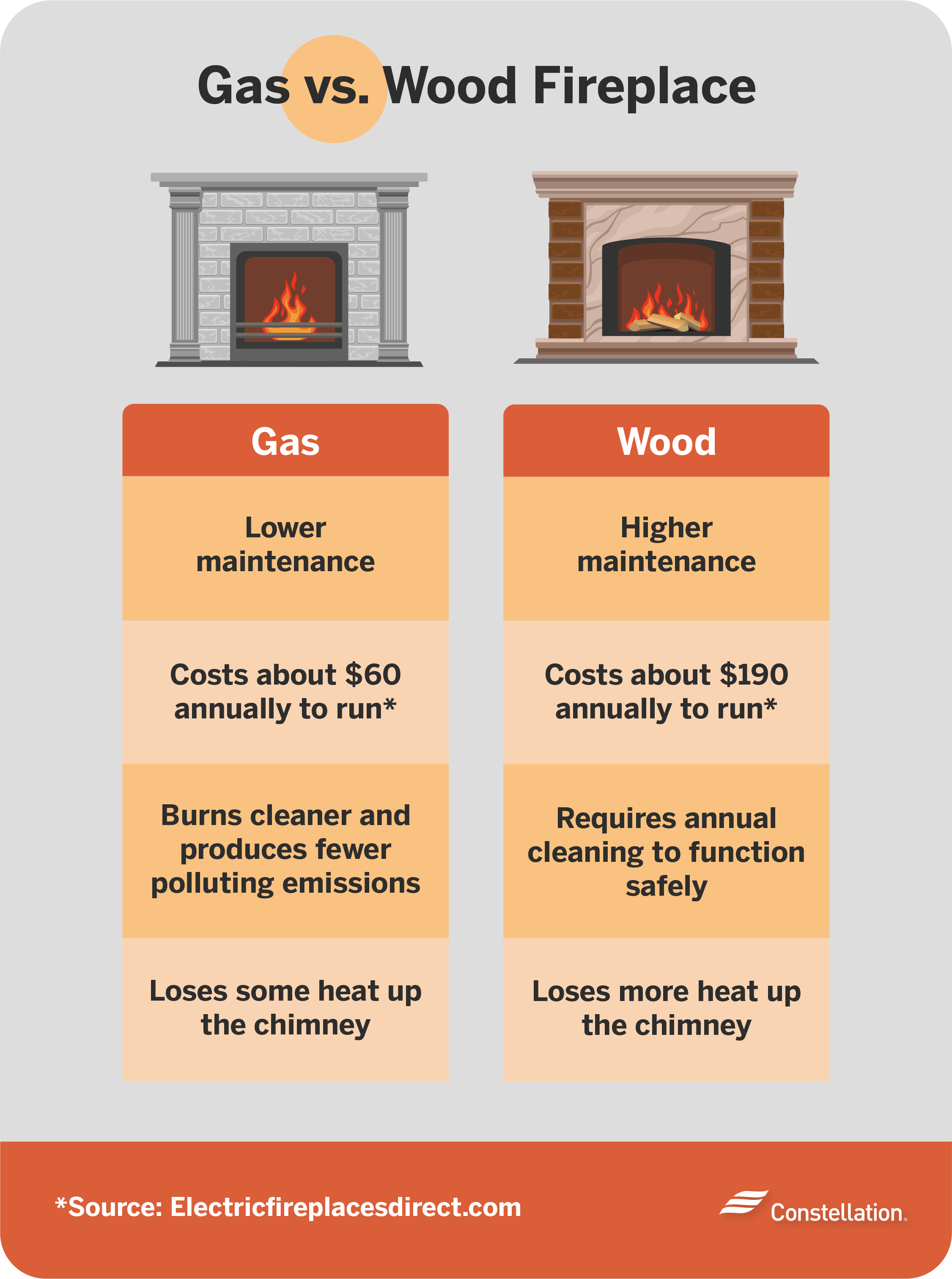
Wood Fireplaces: Cozy Ambiance with High Maintenance and Infrastructure Needs
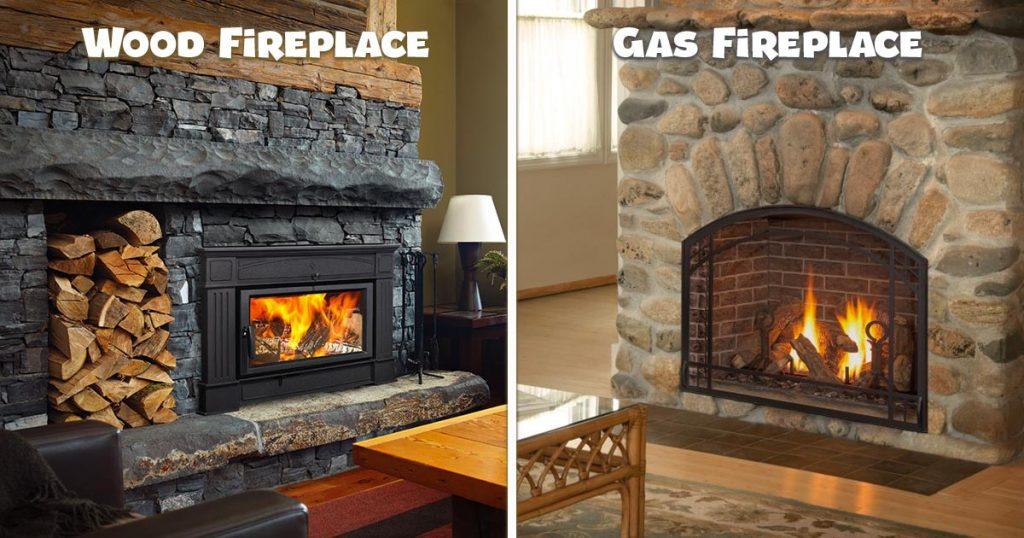
Wood fireplaces offer that classic crackling fire experience, but they demand a lot behind the scenes. Before committing, check your chimney and storage options carefully.
Key checks for wood fireplaces:
- Does your existing chimney meet safety codes? Repairs or a rebuild can cost thousands and delay installation.
- Is there space nearby to store dry wood that stays protected from moisture?
- Are you willing to spend time buying, chopping, hauling wood, and cleaning out ash regularly?
- Can you schedule annual professional chimney cleanings to prevent dangerous creosote buildup?
If any of these points are difficult for your home or lifestyle, a wood fireplace might bring more hassle than warmth. The charm is real but comes at a cost in time and money.
Gas Fireplaces: Efficient Heat with Installation Challenges
Gas fireplaces deliver strong heat quickly and usually require less day-to-day work than wood. But they need upfront planning.
Common obstacles include:
- No existing gas line? Running one can be expensive or complicated.
- Direct venting through an exterior wall is necessary for safety, your home’s layout must allow this without major remodeling.
- Permitting and inspections may delay installation by weeks or months.
- If sized incorrectly, gas units may cycle too often or fail to heat adequately.
Ask installers about venting options for your wall placement, heat output (measured in BTUs), and local fuel availability. When these align with your home’s setup, gas can be an efficient choice with low upkeep. Otherwise, you risk hidden costs and disappointing heat performance.
Electric Fireplaces: Easy Setup but Limited Heating Power
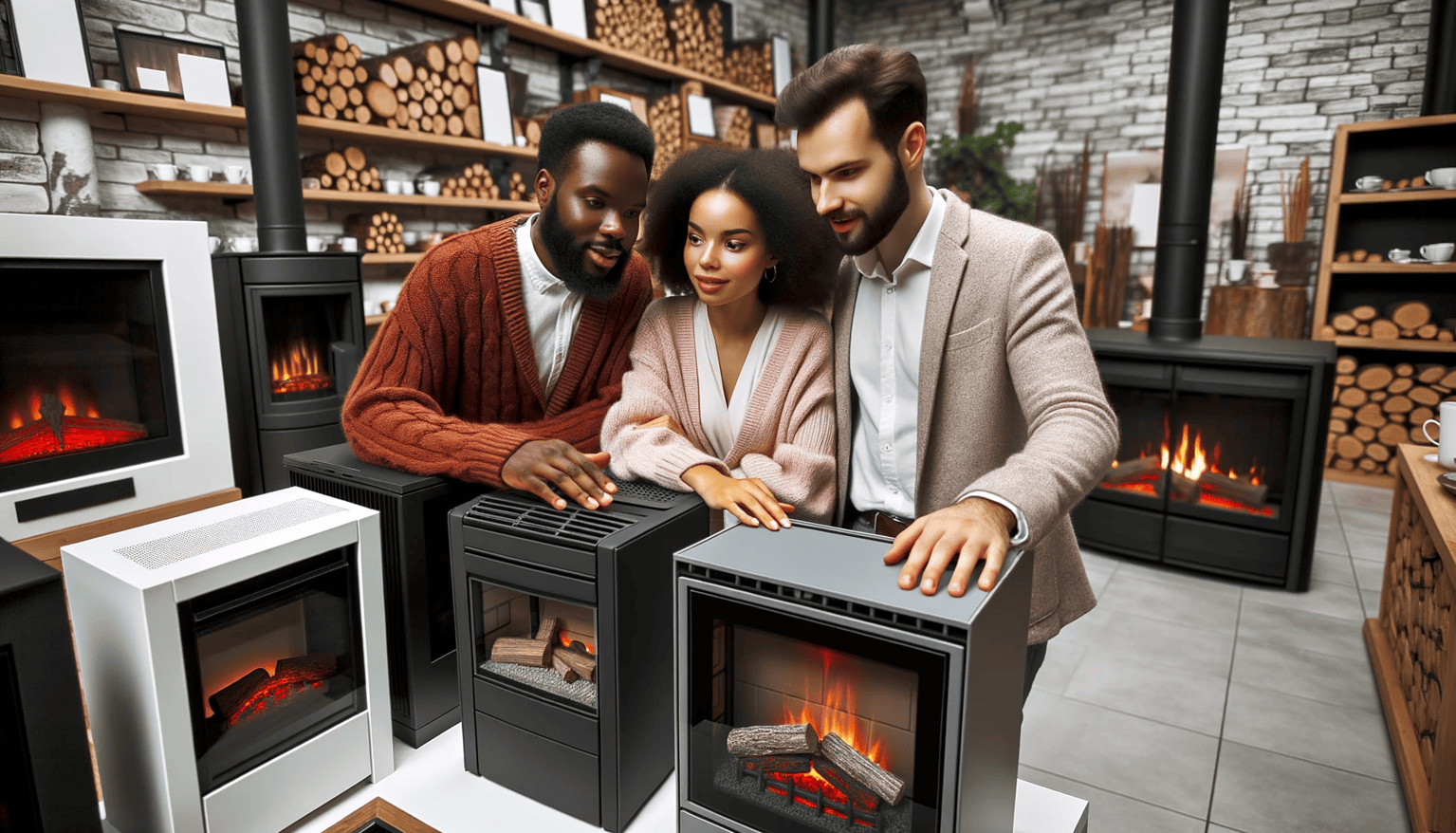
Electric fireplaces are flexible since they don’t need venting or fuel storage. You just plug them in. However, they mostly serve as supplemental heat sources rather than main heaters.
Consider this before buying electric:
- Measure the room size. Manufacturers’ max coverage claims often don’t match real-world results.
- Plan for roughly 10 watts per square foot for basic supplemental warmth.
- Place units near outlets; avoid extension cords due to safety risks.
- Decide how much you value flame visuals versus actual heat, many models prioritize ambiance over temperature rise.
Electric fireplaces work well in small rooms or as mood lighting but don’t expect them to replace central heating unless combined with other sources.
Pellet Stoves: Renewable Fuel with Daily Maintenance Demands
Pellet stoves use compressed wood pellets for heat and automate some processes compared to traditional wood stoves. But they require consistent attention.
Watch out for:
- Power outages stopping operation unless you have backup power.
- Daily pellet refills during heavy use seasons, skip them and the stove stops heating.
- Regular ash removal and internal cleaning to maintain efficiency.
- Proper pellet storage in dry conditions; damp pellets jam feeding mechanisms.
A household I advised thought pellet stoves would run themselves but faced issues after neglecting daily upkeep. Pellet stoves provide strong heat from renewable fuel if you’re committed to hands-on care.
How to Choose the Right Fireplace for Your Home
To narrow down your options:
- Check physical constraints: Where will the fireplace go? Is there an existing chimney or a suitable wall for venting? Are electrical outlets or gas lines nearby?
- Assess maintenance willingness: Who will handle fuel loading, cleaning, or inspections? How often can this realistically happen?
- Estimate full costs: Include installation surprises like chimney repairs or gas line extensions plus ongoing fuel expenses and servicing fees.
- Match heating needs: Calculate space size room-by-room to pick a unit with appropriate BTU output rather than guessing by appearance alone.
- Understand local regulations: Some areas restrict wood burning due to air quality rules; others require permits for gas appliances.
- Imagine daily use: Consider lighting procedures, flame control methods (remote vs manual), cleaning schedules, do these fit your lifestyle or feel like burdens?
Illustrative Example of Choosing Wisely
An urban family wanted cozy fires without access to chimneys or gas lines. They initially leaned toward wood but realized their building’s rules forbade it and maintenance was impractical. Instead, they installed electric inserts supplemented by baseboard heaters during cold snaps. It wasn’t perfect heating but avoided costly retrofits while still providing ambiance.
Meanwhile, a rural homeowner with ample dry firewood chose wood despite chimney repair needs because she valued independence over convenience.
Simple Next Steps To Avoid Costly Mistakes
Start by measuring where you want your fireplace installed and sketch out that space with notes on nearby vents, outlets, or pipes. Then contact two local installers for free site assessments focused on venting options and fuel hookups (not sales pitches). Ask them for rough cost estimates including any needed repairs.
With these details in hand, have an honest talk about who will handle maintenance tasks like cleaning or refilling fuel throughout the year. Getting clear on physical feasibility plus ongoing effort prevents regrets later.
Quick Summary Checklist
| Fireplace Type | Key Requirements | Main Benefits | Main Drawbacks |
|---|---|---|---|
| Wood | Sound chimney + dry storage + regular cleaning | Authentic fire experience | High maintenance + costly infrastructure |
| Gas | Gas line + exterior vent + permits | Efficient heat + low day-to-day work | Potentially costly installation + layout limits |
| Electric | Electrical outlet nearby | Easy install + zero fuel mess | Limited heating power |
| Pellet | Electricity + daily pellet refills + ash removal | Strong heat + renewable fuel | Requires daily upkeep + sensitive to power outages |
Use this checklist alongside your measurements and installer feedback when making your final choice.
Choosing a fireplace is about fitting technology into your home’s realities, not just picking what looks nice online. With some upfront homework on space constraints, maintenance effort, costs, and heating needs, you’ll find the option that feels right every winter without surprises waiting behind it.
