Smoke creeping into your living room from a wood fireplace is more than just annoying. It’s a clear sign something in your fireplace system isn’t working right. While many people start by checking the damper or cleaning the chimney, those steps often only skim the surface. The key is to figure out exactly which part of your setup, damper position, wood quality, chimney airflow, or home ventilation, is causing smoke to back up. Pinpointing the real issue saves you effort, money, and frustration.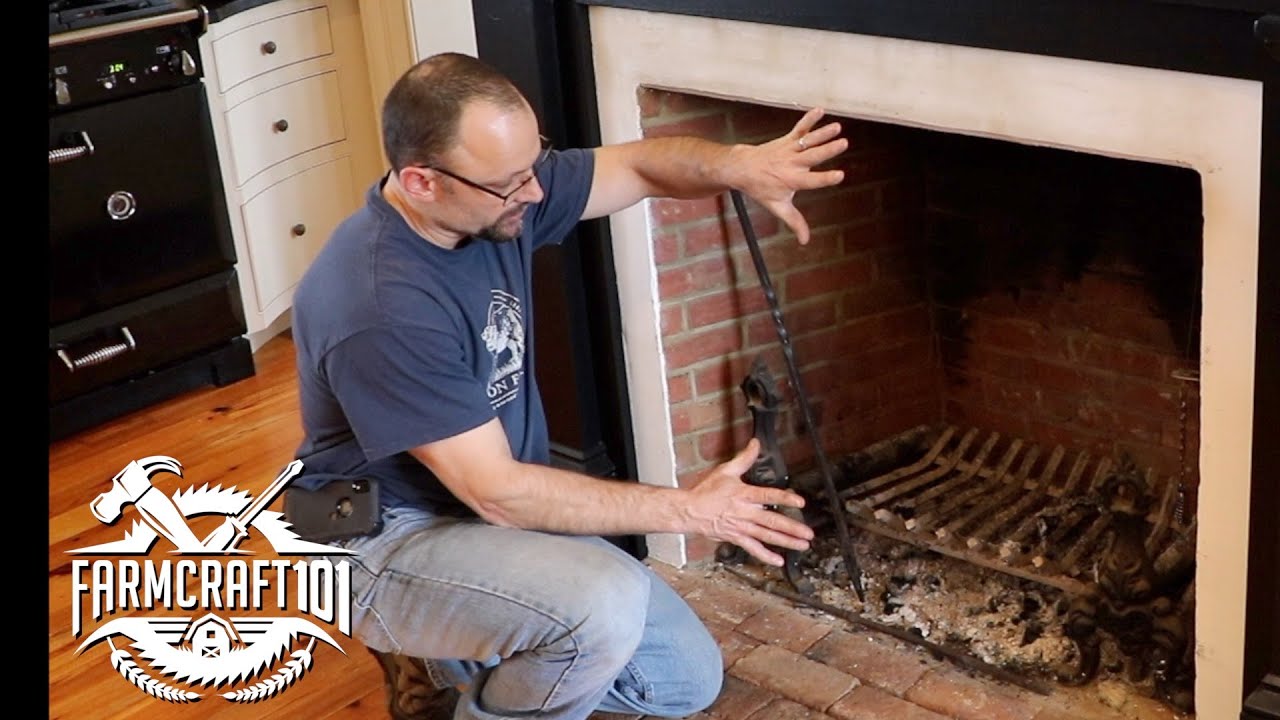
Start by Checking the Damper Carefully
The damper controls airflow from your firebox up through the chimney. If it’s closed or only partially open, smoke can’t escape properly. Many homeowners think their damper is open because the handle moves, but that’s not always true.
Illustrative example: A homeowner once told me they had an open damper, but it turned out a warped metal plate was stuck halfway closed inside. This tiny blockage wasn’t visible without shining a flashlight up the chimney and caused smoke every time they lit a fire.
How to check: Before lighting a fire, use a flashlight inside the firebox to look straight up into the chimney past the damper plate. You should see clear daylight beyond it. If not, try to free or replace the stuck damper plate yourself if safe, or call a pro. Don’t assume handle position equals “open.” Physical confirmation is crucial.
If the damper is wide open and you still get smoke, move on to other causes.
Wood Quality Matters More Than You Think
Dry wood with moisture under 20% is commonly recommended. But why? Wet wood lowers combustion temperature and burns incompletely, producing extra smoke and creosote buildup that can block airflow further down.
Composite example: Someone burned freshly cut maple with about 40% moisture content despite having an open damper. The fire stayed cool and smoky because damp wood just won’t burn hot enough to pull air strongly up the chimney.
Quick test: If you don’t own a moisture meter (they’re affordable and handy), tap two pieces of wood together: dry wood sounds sharp like clacking sticks; wet wood thuds or sounds dull.
If you can’t guarantee well-seasoned wood, expect smoky fires until you do.
Chimney Condition Can Block Draft Even When Cleaned
Regular chimney cleaning is essential but not always enough. Creosote doesn’t coat evenly; even small patches or unseen debris can reduce draft significantly.
A common mistake is relying on external checks like looking from the ground or time since last cleaning instead of inspecting inside with proper tools.
If you’ve confirmed your damper is fully open and are using seasoned wood but still get smoke:
- Have a professional sweep inspect inside with a camera.
- Ask them to check for cracks or loose bricks restricting airflow.
- Watch for nests or debris caught near the top of your flue.
Installing a chimney cap protects against future blockages but won’t fix existing ones inside.
Wind and Home Ventilation Can Reverse Smoke Flow
Even if everything inside looks good, outside factors like wind can push smoke back down your chimney, especially when your chimney isn’t tall enough compared to nearby rooflines or buildings.
Simple test: On a windy day, try lighting a small test fire with your damper fully open and your fireplace door slightly ajar (for safety). If smoke blows back into your room only when wind picks up outside, you likely have downdraft issues.
Rotary cowls or top-sealing dampers designed to redirect wind help sometimes but aren’t guaranteed fixes. These add cost and complexity so confirm downdraft first before investing.
Also consider how airtight your home is. Newer homes sealed tightly for energy efficiency often lack fresh air sources needed by fireplaces. Without enough air entering your room, negative pressure pulls smoke indoors instead of letting it rise up the chimney.
Easy check: Open a window near the fireplace slightly during fires. If smoke clears quickly when you do this, insufficient fresh air is probably causing your problem.
Measuring Draft Strength Helps Diagnose Persistent Problems
When basic checks don’t solve it, measuring draft strength reveals what’s happening inside your chimney system.
Weak draft means less upward pull on smoke and usually indicates:
- Chimney too short or damaged
- Flue size too small or mismatched for your fireplace
- Hidden blockages inside flue sections
Tightly sealed homes create negative pressure that pulls air out faster than it enters through vents or windows, worsening smoke backup especially with exhaust fans running elsewhere in your house.
If draft measurements show weak pull:
- Raising chimney height may help if structurally possible.
- Adjusting flue size requires professional work.
- Improving home ventilation balance reduces negative pressure.
- Switching to stove inserts that seal combustion chambers improves control over airflow and reduces smoke problems overall.
Avoid Spending on Hardware Without Confirming Your Bottleneck
Many homeowners waste money buying fancy caps or new dampers before identifying their true constraint, and keep burning unseasoned wood hoping it will improve with time.
Here’s what I recommend before spending on upgrades:
- Confirm damper opens completely with flashlight inspection.
- Use properly seasoned hardwood below 20% moisture.
- Inspect chimney interior carefully for blockages or damage.
- Test draft strength if possible (or have pros do this).
- Open nearby windows during fires to ensure fresh air supply.
- Only after these steps consider wind deflectors or professional changes.
What To Do Right Now
Grab a flashlight and look straight up into your firebox at the damper and flue opening before lighting any fire. Make sure you see clear daylight beyond any plates inside.
Light a small fire using well-seasoned wood while cracking open a window near the fireplace slightly for fresh air. Watch how smoke behaves:
- If it rises cleanly with no backup: great!
- If it still creeps into your room: note when this happens (windy day? no window open?) and revisit other sections above as needed.
This simple experiment narrows down whether your problem lies with damper function, fuel quality, ventilation balance, or external airflow conditions, and helps guide what action makes sense next without guessing blindly.
Smoke problems come down to one thing: something in your system blocking smooth draft flow so smoke stays indoors instead of rising safely outdoors. Finding that bottleneck step-by-step turns frustration into confidence, and soon enough you’ll enjoy cozy fires without blowing smoke inside again!
