Choosing to install a fireplace feels exciting but also comes with a maze of decisions that can overwhelm even seasoned homeowners. The trick isn’t just knowing the price range, it’s understanding how your decisions at each step shape costs and outcomes. I’ve seen plenty of people get stuck because they treated the fireplace purchase like buying a TV, focusing on the sticker price rather than the full project context. Let’s change that approach.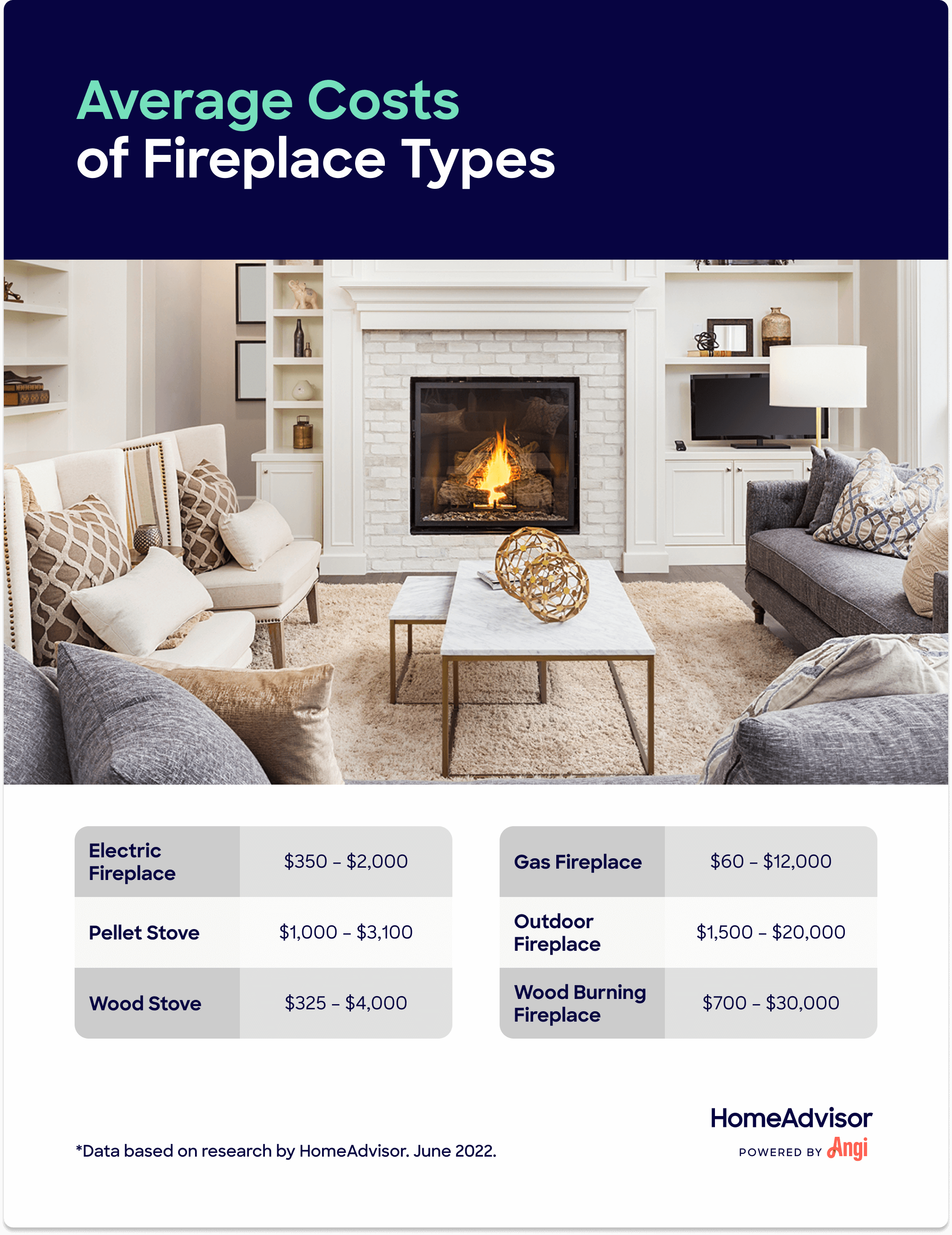
Picking Your Fireplace Type: Align Choices with Real Use and Lifestyle
The very first decision you make, wood, gas, or electric, sets the financial baseline but also your future headaches or conveniences. Think beyond what looks good or sounds cozy; consider:
- Wood-burning: This is for someone who values authentic flames and substantial heat output and doesn’t mind ongoing chores like stacking wood or scheduling chimney cleanings. It demands a chimney in good shape or building one from scratch, which is costly and labor-intensive but results in a traditional fireplace experience. If your neighborhood has strict burn bans, this might not be viable.
- Gas fireplaces: Opt here if you want a balance between ease and warmth. They look real enough and can often be controlled with a remote. However, if your house doesn’t already have a gas line nearby, installation jumps because you need both the gas hookup and proper venting; skipping either risks safety or functionality issues.
- Electric fireplaces: These are best for supplementary warmth or ambiance without fuss. Because they don’t burn fuel, installation is simpler and less expensive, often just plug-and-play, but expectations must match reality. They won’t heat a large room efficiently or mimic real flames convincingly.
Illustrative example: A client chose an electric insert thinking it would replace central heating in a chilly basement; it didn’t deliver enough heat, leading to dissatisfaction despite low upfront costs. Matching fireplace type to actual heating goals avoids this mismatch.
Understanding What’s Not Visible on Price Tags
Installation costs are rarely just about the fireplace unit itself. Hidden expenses consistently trip up budgets:
- Permits and inspections vary widely by area but are non-negotiable for safety and legal compliance. Ignoring this can stall your project midstream or lead to costly rework.
- Chimney work can double or triple initial estimates, especially if you’re retrofitting an old chimney that fails code or building a new one.
- Venting complexity matters, a gas fireplace with no existing vent pipe requires structural modifications that add time and cost.
- Finishing touches like mantels, surrounds, hearths, or custom stonework quickly add thousands. Deciding too late on upgrades puts you off guard at billing.
Failure mode here is zeroing in on the fireplace unit price without building in contingency for these extras. A practical rule is to add 25%–40% above the retail price to cover these inevitable add-ons.
Materials vs Labor: Where Does Your Money Go?
It helps to visualize your installation dollars split roughly as:
- 40%-60% materials: This includes the fireplace itself, chimney components, venting pipes, framing materials, and finishing surfaces.
- Labor: Skilled tradespeople, masonry experts for wood units, specialized gas fitters for gas fireplaces, charge $50–$100 per hour depending on region and urgency.
Knowing this split lets you judge quotes more critically. For example, an installer quoting extremely low labor but high material costs might be using subpar installation methods that save hours but risk safety.
Maintenance Costs Reflect Your Initial Choice
You’ll interact with your fireplace for years after installation, understanding its upkeep is key:
- Wood-burning fireplaces require annual chimney sweeping ($100-$300) plus occasional brick/mortar repairs; budget also for wood fuel if not sourcing yourself.
- Gas fireplaces have lower maintenance but need yearly inspections ($75-$150) to catch leaks or carbon monoxide risks; expect minor parts replacement over time.
- Electric models are easiest to maintain, mostly dusting and bulb changes at $20-$50 annually, but expect ongoing electricity costs around $10-$30 monthly during winter months.
Considering maintenance prevents surprises down the road that sour your initial excitement.
What To Do First: A Sequence That Saves Money and Headaches
The difference between projects that run smoothly and those that stall often comes down to the order of operations:
- Clarify your priorities: Are you after maximum heat output? Visual appeal? Minimal upkeep? Writing this down guides all other decisions.
- Request detailed quotes from at least three contractors who specialize in your chosen fireplace type, emphasize you want breakdowns covering permits, labor, materials, venting, and finishes.
- Call your local building department early to confirm permit requirements; don’t assume they’re trivial.
- Compare quotes side by side, focusing less on the bottom-line figure than on scope clarity; ask questions if anything’s vague.
- Allocate a 30%-40% contingency fund beyond quoted prices before signing contracts.
This disciplined approach puts you in control rather than reacting to surprise bills or delays.
Why Cheapest Isn’t Always Best
Rushing into the lowest bid often leads to cutting corners, a dangerous gamble with fire-related installations:
- Improper venting can cause carbon monoxide build-up.
- Substandard fireproofing increases fire risk.
- Lack of proper permits invites fines or forced removal later.
Instead, look for licensed contractors with solid local reputations willing to explain their work details clearly. Inspect past job photos or visit references if possible.
Immediate Step That Offers High use
If you’re reading this contemplating a fireplace project today, stop scrolling for a moment:
Write down exactly what you want from your fireplace, not just style but function (heat level), convenience (fuel handling), maintenance tolerance, and budget range including extras like permits or finish work.
This simple act filters out options that don’t meet your needs and sharpens questions when talking to contractors, a mental anchor that keeps decisions grounded in reality rather than impulse.
Fireplaces aren’t just purchases, they’re lifestyle changes with financial ripple effects stretching years forward. Approaching them with clear priorities, realistic budgeting including hidden costs, and careful contractor vetting transforms a complex process into one you can manage confidently.
If you circle back needing help parsing estimates or weighing trade-offs based on your home’s specifics, feel free to reach out again, I’m here to help make sense of what can otherwise feel like smoke and mirrors.
