How to Install a Fireplace: A Practical Guide for Homeowners
Installing a fireplace is more than just picking a style and putting it in place. It affects your home's structure, safety, and comfort for years. This guide walks you through the key decisions and steps, focusing on the real challenges homeowners often miss.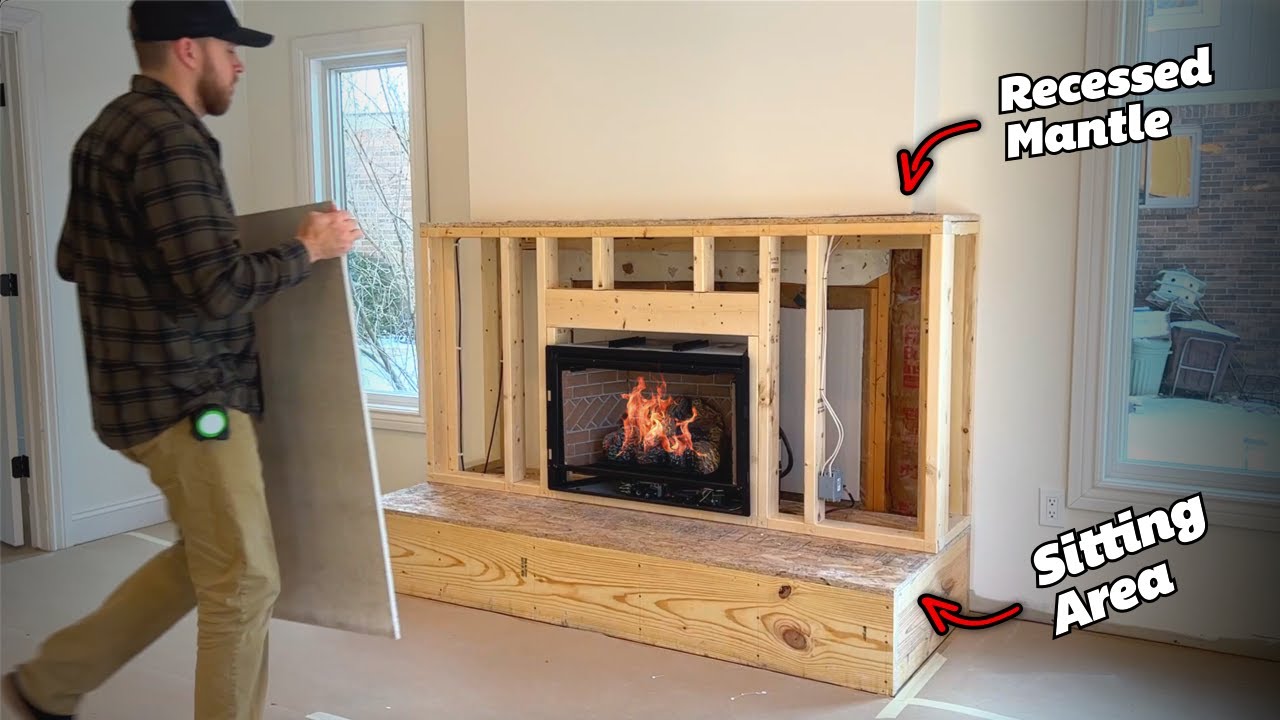
1. Pick the Right Fireplace Type Based on Your Home’s Needs
Each fireplace type creates different demands on your house. Choosing without thinking through these can cause costly problems later.
- Wood-Burning Fireplaces
These need a strong chimney and firebox built to handle high heat and creosote buildup safely. That means thicker walls, reinforced floors, and regular chimney inspections beyond simple cleaning. If your home’s structure or ventilation isn’t up to it, smoke backdrafts or fire hazards can develop.
Composite example: One homeowner tried adding a wood-burning fireplace to an older part of their house without checking if the floor could hold the weight. Months after installation, cracks appeared in drywall and the floor sagged, showing structural damage from underestimating how heavy the fireplace was.
- Gas Fireplaces
They usually use direct vents that simplify chimney needs but require professional gas line installation to avoid leaks, a serious safety risk. Gas fireplaces also need permanent vents through external walls, which may limit where you can place them or affect outside appearance.
One less obvious downside is that gas fireplaces may not add as much resale value as wood-burning ones in some neighborhoods, even though they’re easier to operate.
- Electric Fireplaces
Easiest to install since they don’t need venting or special structures. However, they provide only supplemental heat and don’t replace your main heating system. They work best for ambiance rather than serious warmth.
Key decision: If local air quality rules or your home’s structure prevent wood fireplaces, gas or electric might be safer choices, even if you give up some traditional charm.
2. Prepare Your Space Thoroughly Before Installation
Clearing space is only the start. Proper preparation means checking your home’s structure, ventilation, and permits, steps many DIYers skip until problems arise.
Check Structural Support
Fireplaces are heavy. If you’re installing upstairs or on lightweight floors (common today), joists might need reinforcing or adding support beams before installation. Ignoring this leads to damage you often won’t see until months later.Plan Ventilation Carefully
Ventless gas fireplaces claim easy setup but can cause carbon monoxide buildup if airflow is poor, especially during cold weather when windows stay closed. Make sure vents comply with safety codes and manufacturer instructions.Get Necessary Permits
Don’t skip this step thinking electric fireplaces are simple plugs; most towns require permits for all fireplace types to ensure safe wiring and proper clearances around combustibles.
Tip: If you smell gas after turning on a gas fireplace for the first time or notice smoke inside with wood models, stop using it immediately and have your ventilation checked before proceeding.
3. Understand Installation Details That Protect Safety and Performance
Installation differs widely by fireplace type. Cutting corners here leads to expensive repairs later.
Wood-Burning Installation Essentials
- Use refractory mortar mixed exactly per instructions: too much water weakens it; too little causes cracks.
- Chimney angle matters; incorrect pitch traps smoke instead of venting it.
- Don’t skip installing a chimney cap, it prevents water damage that wears down masonry over time.
Gas Fireplace Installation Tips
- Have licensed plumbers handle all gas line connections. They should test for leaks using pressure tests.
- Check vent pipe locations carefully: vents too close to windows or air intakes break code and risk exhaust re-entering your home.
Electric Fireplace Installation Notes
- Avoid plugging units into overloaded circuits; use dedicated outlets per manufacturer guidelines.
- For wall-mounted units, secure them with proper anchors, not just drywall screws, to prevent accidents.
4. Avoid Common Mistakes That Cause Headaches Later
Watch out for these frequent errors:
- Choosing a fireplace too large for the room causes overheating and wasted fuel.
- Ignoring required clearances lets combustible materials get dangerously close.
- Overlooking vent blockages like bird nests leads to smoke backing into rooms.
- Skipping professional inspections risks fines or costly retrofits down the road.
Composite example: Another homeowner installed a gas insert without verifying vent clearance near a window. The inspector halted use until expensive vent rerouting was done, delaying heating during winter months.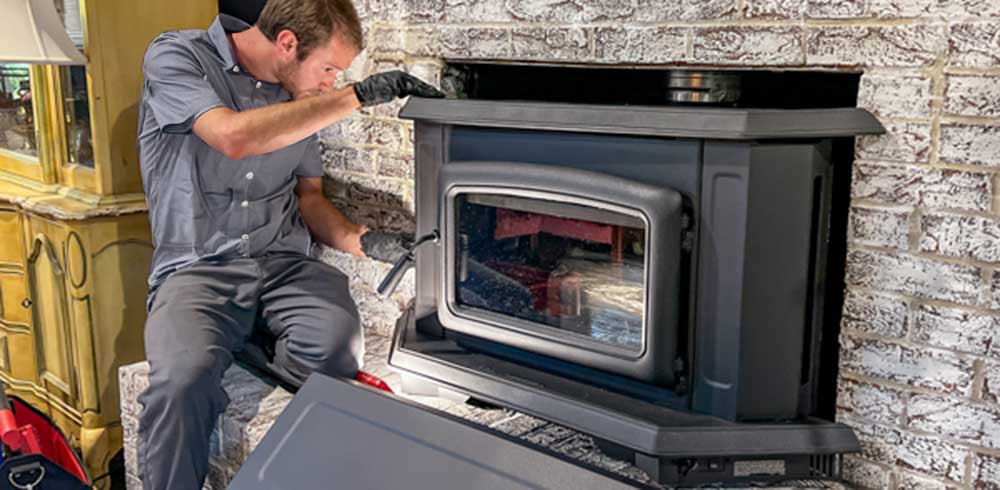
5. Confirm Safety With Inspections and Ongoing Checks
Even after careful installation:
- Schedule inspections early enough so any issues can be fixed before final approval.
- Test carbon monoxide detectors regularly near fireplaces, not just at install time.
- Watch how your fireplace performs during different weather conditions; bad drafts may only happen with certain winds.
This ongoing care keeps your fireplace safe long-term instead of becoming a hidden hazard behind an attractive mantel.
What To Do Next
Before buying materials or booking installers:
- Contact your local building department to find out what permits you need for your specific fireplace type and installation plan.
- Consult licensed professionals early, especially plumbers for gas lines or masons for chimneys, to get realistic advice on structural work needed.
- Make a checklist of local code requirements about clearances, venting routes, electrical wiring, and inspections so nothing slips through the cracks.
Taking these steps upfront saves money, stress, and keeps everyone safer during and after installation.
Installing a fireplace changes your home in big ways, from structure to safety to daily comfort. Treat each step seriously as an engineering choice with real trade-offs instead of just decoration, and you’ll enjoy cozy warmth that lasts safely for years ahead.
