Fireplace projects often stall or spiral into costly headaches because homeowners underestimate the complexity of local regulations and the psychology behind regulatory compliance. Understanding why people behave as they do when facing permits and inspections reveals actionable insights that can save time, money, and stress.
Why Fireplace Regulations Trigger Avoidance, and How to Counter It
Many homeowners delay researching permits because the process feels bureaucratic and abstract. The fear of paperwork, unknown costs, or project delays creates a mental barrier. This avoidance is a classic example of “present bias,” where immediate discomfort outweighs future benefits in decision-making. Yet, skipping early steps rarely saves time; it usually leads to stop-work orders or expensive rework.
Recognizing this behavioral pattern allows you to shift from reactive to proactive planning: treat permit research as the first tangible milestone rather than an optional chore. Setting a calendar reminder to contact your building department right after deciding on a fireplace type counters procrastination and anchors commitment.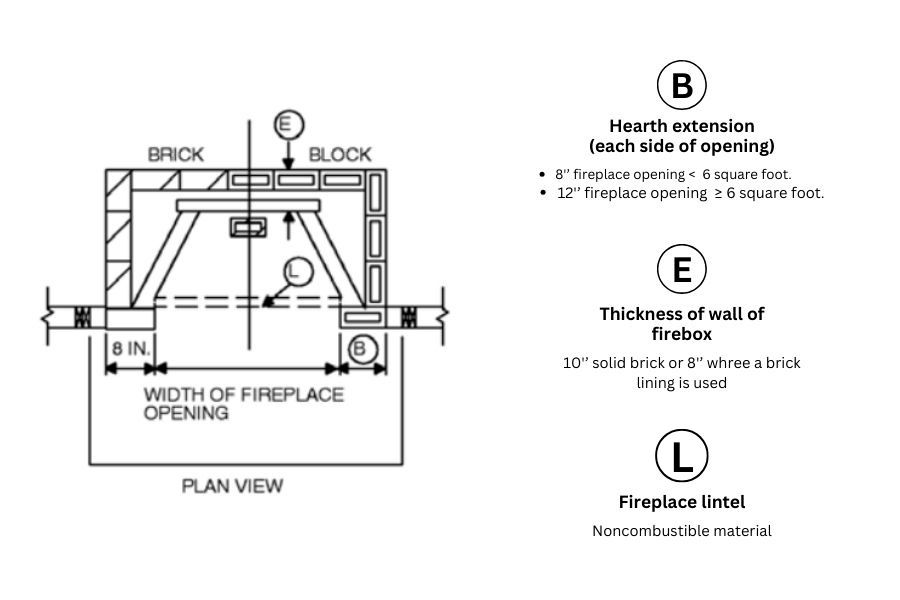
The Decision Points That Define Compliance Success
Navigating fireplace regulations boils down to three critical decisions:
When to Engage Local Authorities
Waiting until contractors arrive or materials are ordered often backfires. Engaging the city or county building department before finalizing your fireplace choice gives clarity on permit requirements and local code nuances. For example, some jurisdictions require EPA-certified units for wood-burning fireplaces to meet emission limits; others restrict chimney height due to neighborhood aesthetics.Choosing the Right Professional Partner
A licensed installer familiar with local codes is not just a service provider but a regulatory navigator. Homeowners who hire contractors without verifying their permit experience increase risk of noncompliance, illustrated by an urban homeowner who faced a stop-work order after their contractor neglected a venting permit for a pellet stove insert (a composite example). Asking for documented experience with local permitting processes reduces this risk.How to Manage Inspections and Documentation
Treat inspections as scheduled quality checkpoints, not obstacles. Scheduling them early and aligning with your contractor’s timeline prevents last-minute surprises that cause delays or failed approvals. Keeping organized records of permits and inspection reports also pays off during home resale or insurance claims.
How Variability in Codes Affects Your Fireplace Choices
One of the most overlooked challenges is the variability between jurisdictions, even within the same state. A wood-burning fireplace allowed in one town might be banned in another due to air quality concerns or historic district restrictions. Misjudging this variability leads homeowners to select equipment or designs incompatible with local rules, wasting money on returns or replacements.
An effective diagnostic step is mapping your property’s zoning overlay and environmental restrictions during initial research. This might reveal, for instance, that pellet stoves are favored over traditional wood fireplaces in your area because they emit fewer particulates. Such insights enable smarter product selection upfront.
Common Failures Rooted in Misunderstood Regulations
Assuming All Fireplace Types Are Permitted Equally
Gas, wood, pellet, and electric fireplaces each have distinct regulatory footprints. Overlooking these differences can cause permit denials or retroactive fines.Ignoring Historical or Environmental District Rules
Historic districts often impose design constraints on chimney exteriors; environmental zones may ban certain fuels entirely. Failure to confirm these constraints leads to forced modifications post-installation.Overlooking Inspection Scheduling Until After Installation
Delaying inspection requests often results in failed approvals because inspectors find code violations that could have been caught earlier.
These failures stem from treating regulations as static checklists rather than dynamic frameworks shaped by location-specific safety, environmental, and aesthetic priorities.
Practical Steps Grounded in Behavioral Insight
Normalize Permit Communication as Part of Your Project Workflow
Integrate permit inquiries into your early project planning calendar rather than postponing them indefinitely. This reduces anxiety by turning an abstract task into a concrete action.Use Written Confirmations to Reduce Ambiguity
When dealing with conflicting advice from different inspectors or departments, request email confirmations or official documentation. This tactic reduces cognitive load caused by uncertainty and prevents costly missteps.Budget Time Wisely Around Permit Processing Cycles
Permit turnaround times can stretch 3–6 weeks during busy seasons. Build this buffer into your project timeline upfront instead of reacting under pressure later.Factor Permit and Contractor Costs as Investments in Legal Security
Although fees may seem steep ($100–$500 per permit plus contractor charges), unpermitted work risks fines or demolition costs far exceeding those amounts.
Highest-use Action: Treat Permitting as an Early Project Milestone
The single most impactful behavior I’ve observed among successful homeowners is treating permits not as bureaucratic hurdles but as essential milestones that structure their project timeline. This shift transforms regulatory compliance from a source of stress into a strategic checkpoint that ensures safety and legality while smoothing contractor workflows.
For your next step: call your local building department today and request the fireplace installation/modification permit packet specific to your address before making any purchase decisions. This simple action sets you apart from most homeowners who delay until after costly mistakes occur.
By anchoring your project around informed decision points shaped by local codes and behavioral patterns, you position yourself to complete your fireplace installation confidently, with fewer surprises and lasting peace of mind.
