When you first face a fireplace for inspection or maintenance, the jargon can feel like a foreign language. Terms like “lintel,” “damper,” and “flue” swirl around, but understanding their precise roles is critical for safety and efficiency. I’ve seen homeowners get tripped up by these words, not because they’re complicated, but because they don’t grasp what each part actually does and why it matters. Let’s break down the key components with a focus on how each one functions mechanically, so you know exactly what to look for and why.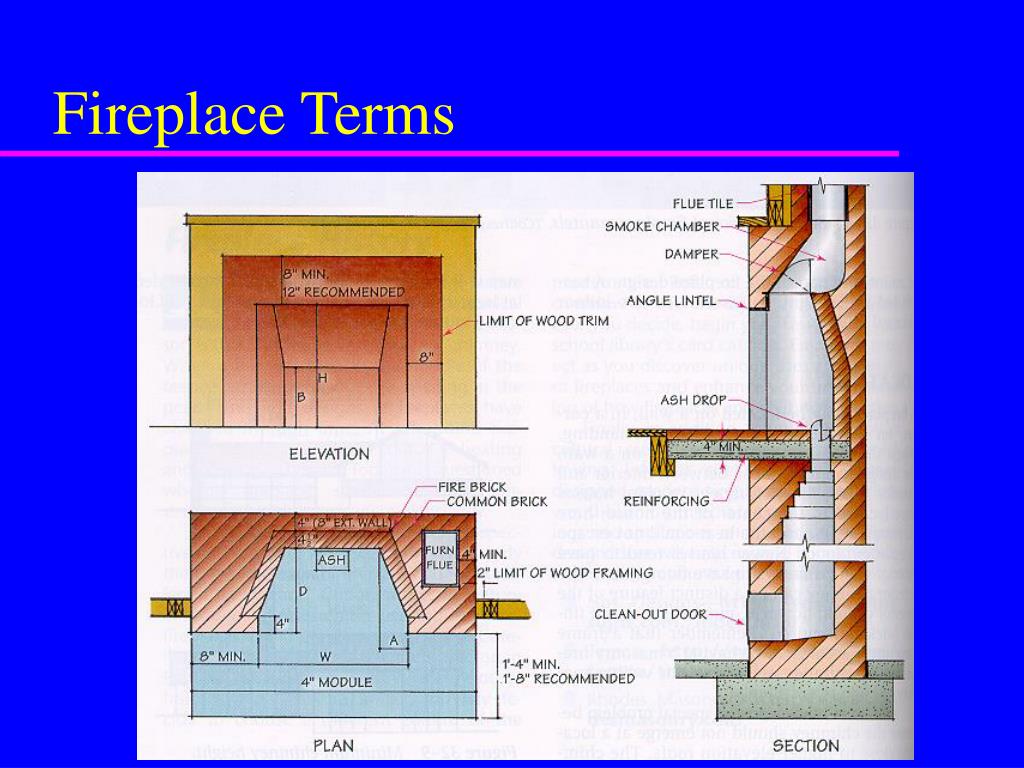
Why the Hearth Is More Than Just a Pretty Floor
Many assume the hearth is simply the decorative tile or brick in front of the fireplace. In reality, it’s your first line of defense against fire hazards. The hearth extends beyond aesthetics, it’s designed to catch hot embers or sparks that escape the firebox. If it’s too small, those embers can land on combustible flooring, creating a serious risk.
Mechanism insight: Embers fly unpredictably, and the hearth’s noncombustible surface absorbs heat instead of transferring it to nearby materials. Safety codes usually require at least 16–20 inches of hearth extension in front of wood-burning fireplaces. If your hearth falls short, you’re gambling with your floor’s safety without realizing it.
Mantel Placement Affects Fire Safety, Not Just Style
The mantel often gets treated as a shelf for knickknacks, but its positioning and material influence how heat disperses from the firebox opening. Combustible mantels placed too close or too low can absorb enough heat to ignite over time.
Here’s what I’ve learned from inspections: The mantel acts as a partial shield and heat barrier, but only if installed with proper clearance. That means checking manufacturer guidelines or local codes that specify minimum distances between mantel surfaces and the firebox opening. Ignoring this can lead to hidden fire risks behind your decor.
Flue Dimensions Control Smoke Flow and Efficiency
The flue isn’t just a pipe for smoke; it’s a carefully sized passageway that controls draft, the airflow pulling smoke up and out. If the flue is too narrow, smoke struggles to escape and can spill back into your room. Too wide, and warm air from your home escapes unnecessarily, wasting heat.
Understanding this mechanism explains why flue liners matter: clay tile or metal liners protect chimney walls from heat damage and improve airflow smoothness. When I’ve seen chimneys without proper liners, deterioration accelerates, and draft suffers, leading to smoky fireplaces or costly repairs.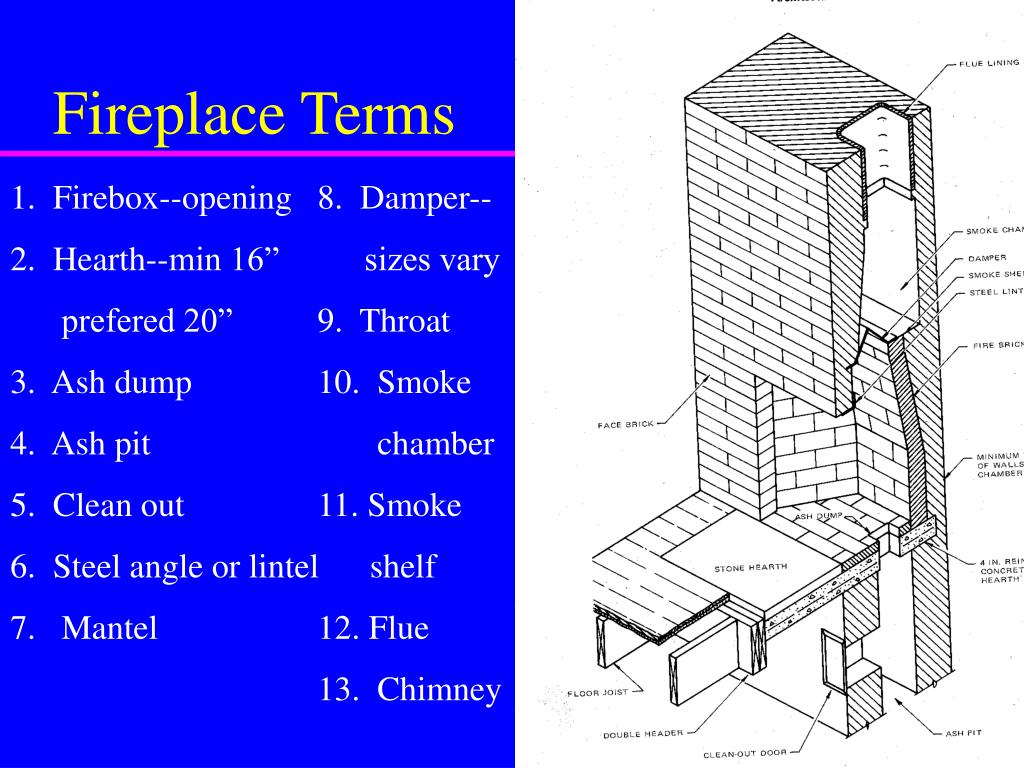
Damper Operation Is Critical for Airflow Control
Think of the damper as an adjustable valve inside your chimney just above the firebox. Its job is to open fully when you have a fire, to let smoke out and fresh air in, and close tightly when there’s no fire to prevent warm indoor air from escaping.
If the damper sticks open or closed improperly, problems arise. A stuck-open damper wastes energy by letting heat escape; a stuck-closed damper causes smoke to back up indoors. When troubleshooting smoky rooms after lighting fires, I always check damper function early because it directly controls chimney airflow.
Your Fireplace Is a System, Not Just an Opening
It’s tempting to think of your fireplace as “just an opening in the wall,” but it’s actually a complex system of parts working together:
- The firebox contains the fire, lined with durable firebrick to handle intense heat.
- The lintel is a steel or stone beam above the opening that supports masonry weight.
- The smoke chamber helps funnel gases smoothly into the flue.
- The ash dump (in some designs) allows easy removal of ashes below.
Ignoring these parts during maintenance risks missing cracks or structural issues that could cause dangerous failures.
How to Connect These Terms to Your Fireplace Physically
- Use a flashlight to inspect each component: hearth floor, mantel shelf, firebox walls, lintel beam above, damper inside chimney top.
- Label them with sticky notes, seeing names attached makes the terminology stick.
- Look for scorch marks on wood near the mantel or discoloration on the hearth edges; these are clues about heat exposure.
- Open and close your damper several times when cold; if it sticks or doesn’t seal well, plan repairs.
- Match terms precisely when talking with contractors, calling a “flue liner” just a “chimney pipe” can cause misunderstandings that lead to wrong advice or parts.
Composite Example: Avoiding Dangerous Gas Log Installation Mistakes
A homeowner once confused his damper with his flue when adding gas logs, he thought closing the damper sealed off all airflow after lighting gas logs. Gas combustion requires venting; closing the damper caused dangerous carbon monoxide buildup risk.
Because he learned these terms properly beforehand, he asked critical questions during installation and ensured his gas logs were vented correctly, avoiding what could have been a life-threatening retrofit error.
Troubleshooting When You Can’t See Inside Your Chimney
Sometimes chimneys are too dark or narrow for DIY inspection. Guessing if there are cracks or blockages inside risks missing hazards that affect safety and performance.
In such cases, hiring professionals for video camera inspections is worth every penny, they reveal hidden problems invisible from below.
Also keep in mind: terminology varies by fireplace type (wood-burning vs gas). Clarify which you have before making decisions about repairs or upgrades.
Next Step: Turn Knowledge Into Action Today
Start by labeling your fireplace parts right now, even if you only learn one new term per day, and notice how much less intimidating maintenance conversations become. Then check your hearth dimensions against safety guidelines and test your damper's operation.
Understanding these mechanisms helps you spot warning signs before they become emergencies, and gives you confidence to communicate clearly with professionals rather than feeling lost in jargon.
If anything still feels unclear after this hands-on approach, ask your chimney inspector to explain specific terms during their visit, that moment of clarity will repay itself many times over in safer fires and fewer costly mistakes.
Your fireplace isn’t just warmth, it’s an engineered system with parts that protect your home every time you light a fire. Knowing how those parts work lets you keep that system running safely for years ahead.
