What Defines a Fireplace: More Than Just Fire in a Box
When you think of a fireplace, you might picture a cozy fire burning inside a simple frame. But in reality, a fireplace is a carefully designed system that controls the fire’s heat and smoke safely inside your home. It manages airflow, prevents smoke from entering living spaces, and protects floors from sparks. Ignoring these parts can quickly turn what seems like a charming feature into a safety risk or expensive problem.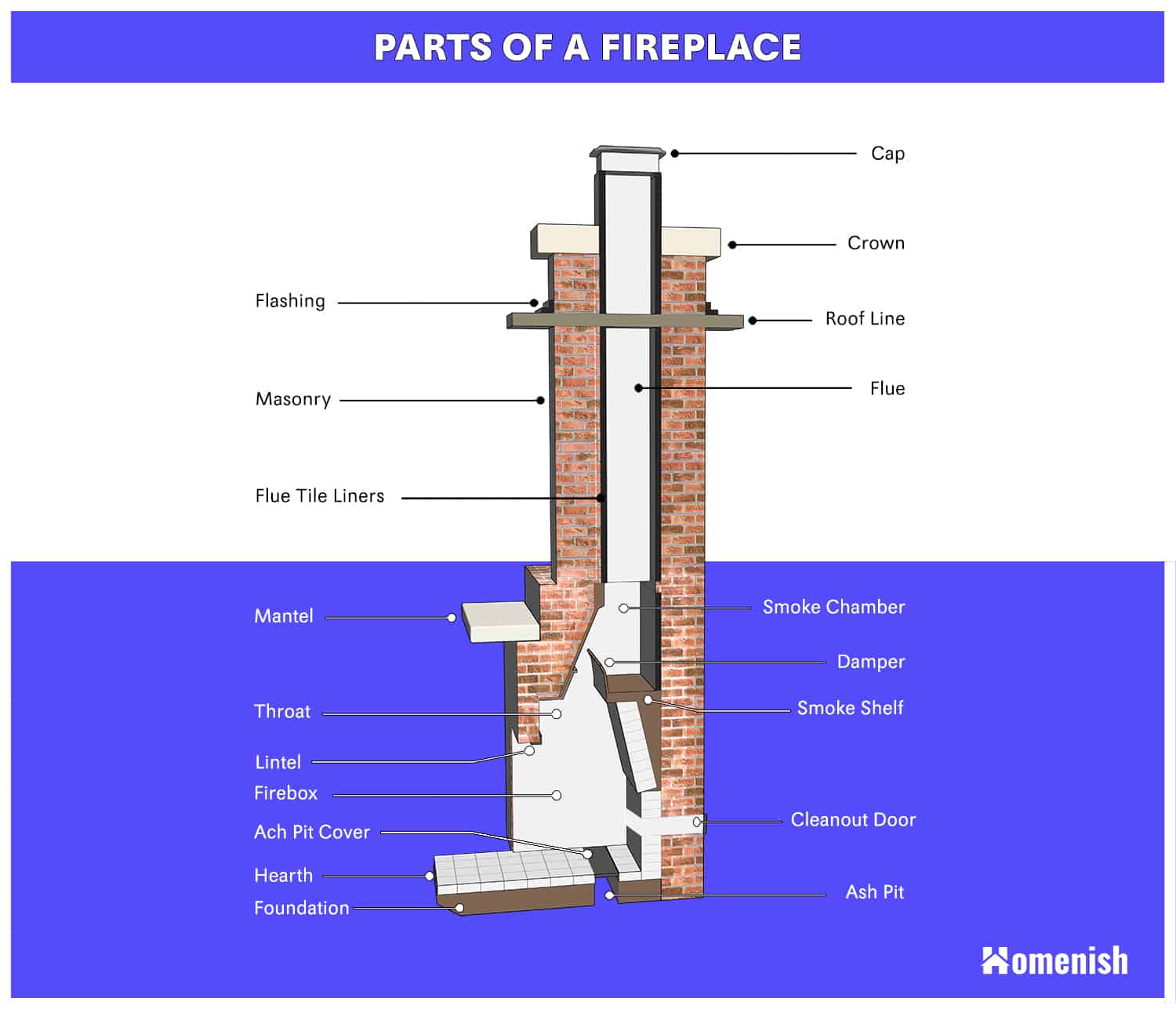
Imagine trying to light a campfire in your living room with no way for smoke to escape or heat to circulate, this is exactly what a fireplace prevents. It balances the desire for warmth and ambiance with the practical limits of indoor air quality, building codes, and fire safety.
The Four Essential Parts That Make Your Fireplace Work
Understanding these key components helped me see past marketing jargon and focus on what really matters:
Firebox: This is the core chamber where the fire burns. It needs to be made of heat-resistant materials like firebrick or steel. Using cheaper materials here leads to cracks or warping, which are serious safety hazards.
Chimney or Vent: This channel lets smoke and gases exit your home. It must be properly sized and lined; otherwise, smoke can back up indoors or carbon monoxide can build up.
Hearth: The non-combustible floor area in front of the firebox that protects against sparks and embers landing on flammable surfaces. I once saw someone install wood flooring right up to the opening, this is dangerous and against code.
Damper: A metal gate inside the chimney or vent that opens when you have a fire going and closes afterward. Leaving it open wastes heat, while leaving it closed when burning traps smoke inside.
Each part plays a clear role in keeping your fireplace safe and functional.
Choosing Your Fireplace Type Based on Real Constraints
People often suggest "wood for authenticity," "gas for convenience," or "electric for ease." Those labels miss how your home’s physical limits shape what works best:
Wood-Burning Fireplaces need a correctly built chimney with annual cleaning to remove creosote buildup, a sticky, flammable residue. For example (a composite example), one homeowner skipped yearly cleaning, which led to creosote catching fire inside the flue, causing expensive repairs.
Gas Fireplaces deliver clean flames and steady heat but require professional gas line installation and proper venting. I’ve seen DIY attempts block vents accidentally, triggering carbon monoxide alarms, a serious hazard that calls for expert handling.
Electric Fireplaces don’t need chimneys or vents and can fit nearly anywhere. However, they usually provide less heat than wood or gas models, better as supplemental warmth than primary heating.
Ethanol Fireplaces burn clean without venting but produce minimal heat and require buying fuel regularly, which adds ongoing costs.
Picking the right type depends on what constraints matter most, like maintenance willingness, installation space, local codes, heating needs, safety concerns, and budget.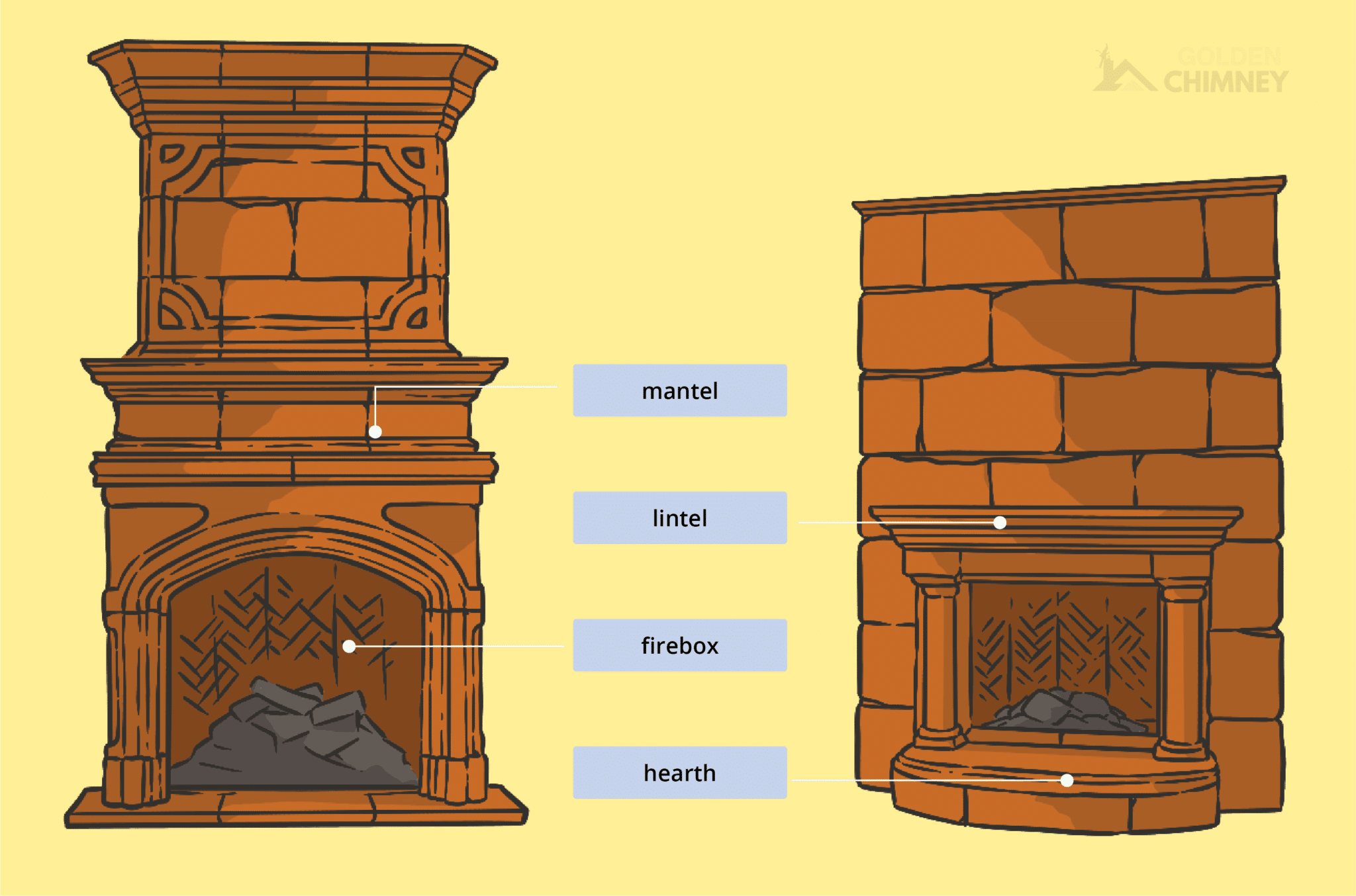
Common Mistakes That Cause Fireplace Problems
Many issues come from overlooking simple steps:
Forgetting to open the damper before lighting a wood fire sends smoke into the room instantly. Even experienced users sometimes miss this under pressure.
Skipping chimney liners in wood-burning setups lets heat damage masonry over time, leading to cracks or leaks.
Installing gas fireplaces without proper vent clearance risks carbon monoxide buildup, a silent danger that needs regular professional inspection.
These examples aren’t just theory; they come from real experiences where cutting corners created costly headaches or worse.
One Renovation Story That Changed My Perspective
During my own renovation (an illustrative example), I wanted to add a wood-burning fireplace but found no existing chimney. I thought switching to a direct vent gas unit would be easier. However, local building codes required at least two feet of clearance around gas lines, a space my room didn’t have. This forced me to reconsider and ultimately pick an electric insert instead.
Though frustrating at first, this choice saved thousands in retrofits and gave me peace of mind about safety compliance. It reinforced how important it is to check your home's physical limits early before committing to any fireplace type.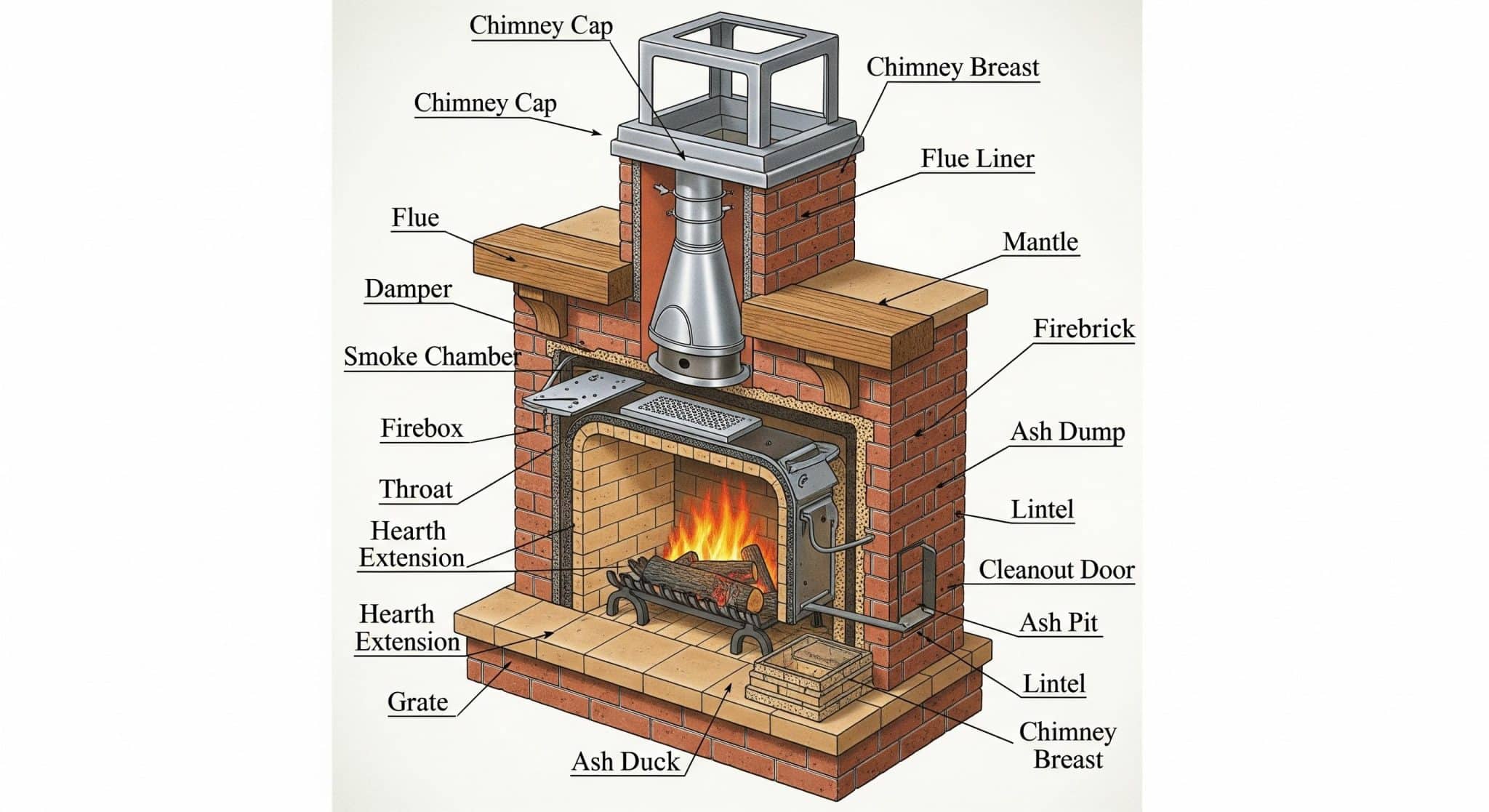
A Practical Checklist To Prepare Your Fireplace Decision
Know Your Space
Measure wall height and width where you want the fireplace installed. Note if there’s an existing chimney or vent pipe, measure its diameter if possible.Clarify What You Need
Are you after maximum heat output? Low maintenance? Flexible placement options? Write down your priorities for easy reference.Check Local Codes Early
Some areas restrict wood-burning fireplaces due to pollution rules. Visit your municipality’s website or contact the local building department for specifics.Talk To Professionals Before Buying
Installers can tell you what fits safely given your house layout and code requirements.Use Component Functions To Guide Your Choice
Ask yourself how each option manages fire containment (firebox), smoke removal (chimney/vent), airflow control (damper), and floor protection (hearth).Plan For Maintenance Realities
Wood fireplaces require annual chimney cleaning; gas units need line inspections; electric models need minimal upkeep; ethanol fireplaces demand ongoing fuel purchases.
This checklist helped me avoid false assumptions like thinking all fireplaces plug in easily or work interchangeably without trade-offs.
Why Fireplace Choices Are About Working With Your Home
A fireplace isn’t just an item you pick off the shelf, it’s part of your house’s structure and airflow system with strict safety demands. The better you understand each component’s role and how different types fit your space constraints, from ventilation clearance to maintenance, the smarter your choice will be.
Start by taking inventory of your home's setup now: Do you know if there’s an existing chimney? How much wall space do you have? What are your heating goals? These questions move you from overwhelmed shopper toward confident decision-maker ready for lasting warmth without surprises.
If you’re ready for next steps but unsure what details matter most during installation talks, here are some concrete questions to ask professionals:
- Does my current chimney meet size and lining standards for this fireplace type?
- What clearance distances will I need between the fireplace/gas lines/chimney walls?
- How often should I schedule maintenance based on my choice?
- Can this fireplace type connect safely with my home’s existing utilities?
Being prepared with these helps keep installations smooth and safe, and keeps cozy fires coming without worry.
