When you look at a working fireplace, the flames make it seem simple. But behind the scenes, several key parts work together to keep your fire burning safely and efficiently. Knowing these parts helps you spot trouble early and keeps your home safe.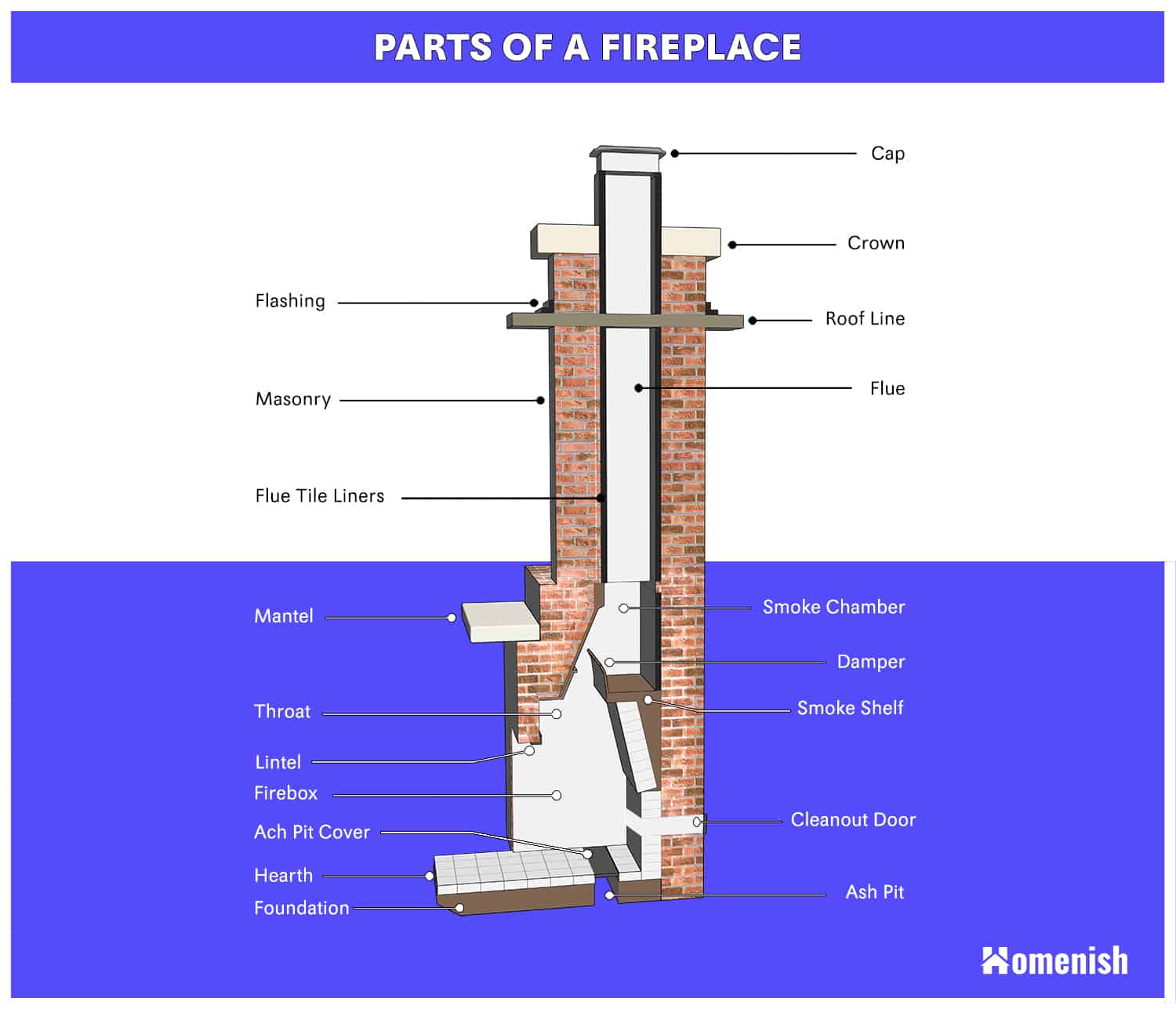
Firebox: The Hot Zone That Must Stay Intact
The firebox is where the fire actually burns. It’s lined with firebrick or heavy steel to handle high heat without breaking down. If cracks develop here, heat can leak into your walls, creating a hidden fire hazard. A well-maintained firebox also directs heat into your room rather than losing it up the chimney.
Illustrative example: Someone ignored small cracks in their firebox until part of the lining broke away during cold weather. The damage allowed heat to reach combustible framing behind the wall, leading to expensive emergency repairs.
What to check: Look for cracks wider than 1/4 inch or crumbling bricks. Small hairline cracks often worsen quickly when heated repeatedly.
Damper: The Airflow Gatekeeper You Can Control
The damper sits just above the firebox inside the chimney throat. It opens to let smoke out when you have a fire and closes afterward to prevent drafts and heat loss. If it’s stuck partially open or closed, smoke can back up into your room or warm air can escape needlessly.
Damper problems usually come from rust, warping, or debris buildup that prevents smooth movement or sealing.
Quick test: Before lighting a fire, open the damper fully and slide it back and forth gently. It should move smoothly without sticking or rattling.
If it feels gritty or won’t close all the way, plan a cleaning or repair before the season starts.
Chimney: The Smoke’s Exit Route That Needs Clear Airflow
Your chimney creates draft, the natural uphill pull of warm air, that carries smoke outside. Any blockages like creosote buildup (a sticky tar-like residue), bird nests, or leaves disrupt this draft and can send smoke back indoors.
An undersized flue (the chimney’s internal passage) also restricts airflow and causes poor smoke exit.
Warning signs: Slow smoke exit, lingering fireplace odors inside, or soot stains on walls indicate draft problems needing inspection.
When to call a pro: Blockages or thick creosote layers over 1/8 inch thick require professional cleaning for safety.
Hearth: The Safety Platform Protecting Your Floor
The hearth extends out in front of the firebox with non-combustible material like stone or tile. It catches sparks and embers that might escape and protects nearby flooring from heat damage.
Damage here isn’t just cosmetic, broken tiles or uneven surfaces create tripping hazards and could allow embers to ignite nearby materials.
Other Important Parts to Watch
- Smoke Shelf: Just above the damper inside the chimney; it traps debris falling down and helps reduce downdrafts that push smoke back inside.
- Flue: Channels smoke upward; it must be properly sized for your fireplace opening.
- Lintel: A horizontal beam over the fireplace opening supporting masonry; cracks here risk structural failure.
- Ash Dump: Some fireplaces include an ash door below for easy cleanup, make sure it seals tightly.
- Grate: Raises wood off the floor of the firebox so air circulates better around logs, improving combustion and reducing smoke.
How Knowing These Parts Helps You Act Early
By understanding these components, you can catch small issues before they become emergencies. For example, spotting rust flakes causing a damper to stick lets you fix it before smoke starts entering your room. Noticing loose bricks on your hearth signals it’s time for repairs before someone trips or embers escape.
This knowledge also helps you communicate clearly with professionals when you need service, instead of vague complaints like “my fireplace isn’t working,” you can point out specific issues such as “damper rust” or “creosote near my flue.” That saves time and money by targeting fixes precisely.
What You Can Do Right Now, A Simple Inspection Checklist
- Open your fireplace door and slide your damper lever fully open and closed. Does it move smoothly? Note any stiffness, rust spots, or debris.
- Once ashes are completely cool after use, scoop them out with a metal shovel into a lidded metal container outdoors, this keeps airflow clear next time.
- Shine a flashlight up inside your chimney base (from indoors) checking for debris, nests, or obstructions.
- Inspect visible hearth tiles for cracks or loose edges.
- Schedule an annual inspection with a certified chimney sweep for thorough cleaning and safety checks beyond what you can see yourself.
- When ordering parts or requesting repairs, use correct terms like "firebox lining" or "damper assembly" so you get compatible replacements.
When To Handle Repairs Yourself, And When To Call Professionals
Small visual inspections and routine ash removal are safe DIY tasks if done carefully:
- Avoid touching creosote buildup, it’s highly flammable and best removed by pros.
- Don’t attempt major masonry repairs if you're not experienced.
- If dampers are stuck due to rust but won’t budge with gentle wiggling, call a technician.
- Always ensure fires are fully extinguished before inspecting any parts closely.
Being cautious about where risk lies prevents accidents and costly mistakes.
What Happens If You Ignore These Signs?
In one composite example I know of, homeowners accepted regular smoky rooms as normal until soot stains appeared on their walls, only then did they realize their chimney was clogged with creosote combined with a partially closed damper causing smoke backup indoors. This invisible hazard posed serious health risks they hadn’t considered beforehand.
Every part matters because each links directly to safety and comfort in your home.
Understanding these components turned my anxiety about smoky fires into confidence knowing what needs attention before problems start. Starting with simple checks like moving your damper lever connects you directly to how your fireplace breathes, and makes caring for it less intimidating over time.
Your fireplace is not magic; it’s physics crafted into form. Once you grasp each part’s role, you’re no longer guessing, you’re actively protecting warmth in your home.
Quick Reference Checklist
| Part | What to Look For | Action if Problematic |
|---|---|---|
| Firebox | Cracks > 1/4 inch; crumbling bricks | Repair immediately |
| Damper | Stiffness; rust; incomplete closure | Clean/lubricate; call pro if stuck |
| Chimney | Obstructions; thick creosote (>1/8") | Professional sweep |
| Hearth | Broken tiles; uneven surfaces | Repair before use |
| Ash Removal | Cool ashes only | Remove regularly into metal container |
Taking these steps early can save money later, and keep fires safe year-round.
