I learned the hard way how easy it is to overlook fireplace maintenance until one cold night when I lit a fire and thick smoke filled the room. The problem was a blocked damper jammed by creosote and debris, something inspection could have caught early. That moment made clear that fireplace care isn’t just about keeping things tidy; it’s about spotting hidden hazards before they become dangerous or costly.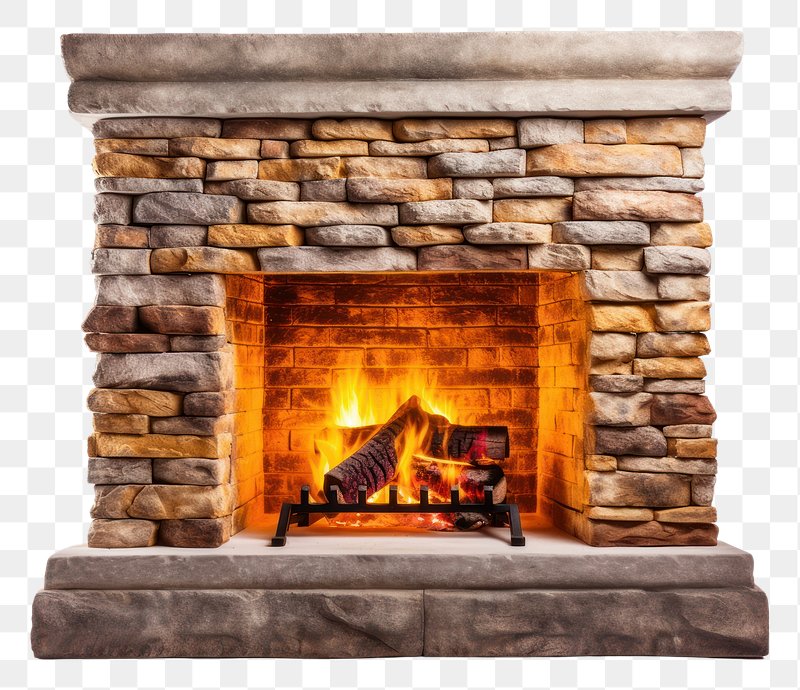
Here’s a straightforward, practical guide to help you keep your fireplace safe, efficient, and trouble-free.
Check Ash Levels to Keep Airflow Steady and Flames Strong
Ash isn’t just waste; it affects how air flows through your fire. Too much ash, more than about two inches deep, can smother embers and choke oxygen, leading to smoky or weak fires.
What to do: After your fire cools completely (wait at least 24 hours), scoop out ashes but leave about one inch behind. This small layer helps insulate hot embers and protects your hearth.
Watch out: Hot embers can hide under ash for days. Never dump ashes in plastic containers or on combustible surfaces right away, a metal bucket placed outside on concrete is safest.
Illustrative example: I once threw freshly cleaned ashes into a plastic bin, thinking the fire was out. Hidden embers reignited inside the bin overnight, causing smoke damage days later. It’s a simple step that makes a big difference in safety.
Inspect Firebox Walls and Damper for Cracks or Blockages
The firebox walls contain the heat, while the damper controls airflow up the chimney. Cracks in bricks or mortar aren’t just cosmetic, they can leak dangerous gases or heat into your walls.
How to check: Shine a flashlight inside the firebox looking closely for cracks or loose bricks. Tap suspect areas lightly; hollow sounds mean parts may be loose and need repair.
Damper trouble often shows up as poor draft or smoke backing up indoors. If your damper doesn’t open fully or feels stiff, debris might be jamming it.
Composite example: A homeowner discovered smoke filling their living room even with the damper open. The cause? A raccoon nest stuck inside blocking airflow. Removing the debris fixed the problem immediately.
Make sure your damper opens smoothly all the way and seals tightly when closed to keep cold drafts out.
Look Inside Your Chimney Flue for Creosote Buildup and Obstructions
Creosote is a sticky, flammable residue from burning wood that builds up inside chimneys over time. Thin black soot is normal, but thick layers over 1/8 inch or shiny glazed deposits are serious fire risks.
How to inspect: Use a flashlight, and if possible a small mirror angled upward, to examine as far inside your flue as you can reach safely. Look for:
- Thick tar-like creosote layers
- Shiny, hardened deposits
- Obstructions such as bird nests, leaves, or other debris blocking airflow
If you find heavy buildup or blockages, don’t try scraping it yourself unless you have experience, improper cleaning can damage liners or cause injury.
Schedule Annual Professional Chimney Sweeping for Thorough Cleaning and Inspection
No matter how careful you are with DIY checks, certified chimney sweeps bring specialized tools like stiff brushes and vacuums designed to remove stubborn creosote safely without damaging delicate liners.
They also spot hidden issues behind walls or in hard-to-reach spots, like small cracks or moisture problems, that homeowners often miss.
Personal note: Early on, a professional swept my chimney and found a tiny liner crack I hadn’t noticed; fixing it saved me from bigger repairs later.
Skipping annual sweeping increases risk of chimney fires and may affect insurance coverage if damage occurs.
Perform Seasonal Tasks That Prevent Common Problems Before They Start
Before lighting your first fire each season:
- Open the damper fully.
- Burn a small piece of newspaper on the hearth outside (or close) the fireplace to warm up the flue air; this helps establish draft and prevents smoke from backing up indoors.
In warmer months:
- Check chimney caps and screens that keep rain, animals, and debris out.
- Replace missing caps promptly; they prevent nests that block airflow.
- Inspect fireplace tools for rust or wear, damaged tools can cause accidents handling hot embers.
Composite example: One winter I skipped putting on a chimney cap after cleaning. Raccoons nested inside my flue during spring; removing them became an unexpected hassle that could’ve been avoided easily.
Quick Checklist to Keep Your Fireplace Safe and Efficient
- Wait 24 hours after last fire before cleaning ashes. Use metal tools and containers outside.
- Leave about one inch of ash behind; remove excess regularly.
- Shine a flashlight inside firebox checking for cracks or loose bricks.
- Open damper fully; test its movement, is it smooth? Any sticking?
- Inspect chimney flue for thick creosote layers or blockages.
- Schedule professional chimney sweeping yearly.
- Install/inspect chimney cap every spring or before winter.
- Warm up flue with outdoor newspaper burn before first seasonal fire.
- Check fireplace tools for damage regularly.
Taking these steps helps avoid common problems like smoky fires caused by blocked dampers, dangerous gases leaking through cracked masonry, creosote fires from neglected chimneys, or animal nests blocking airflow.
If you find anything unusual, like cracks wider than 1/4 inch in firebox walls, thick glazed creosote deposits over 1/8 inch thick, stuck dampers you can’t free yourself, it’s best to call professionals rather than risk injury or further damage.
With regular attention and simple inspections you’ll keep your fireplace safe and reliable, a cozy centerpiece ready whenever cold weather hits. Fireplace maintenance isn’t complicated; it’s about catching small issues early before they turn into big headaches.
