Integrating a fireplace into your home is more than choosing a style you like. The real challenge is balancing design with the room’s size, materials, and practical details, factors that often get overlooked but determine whether the fireplace feels right or out of place.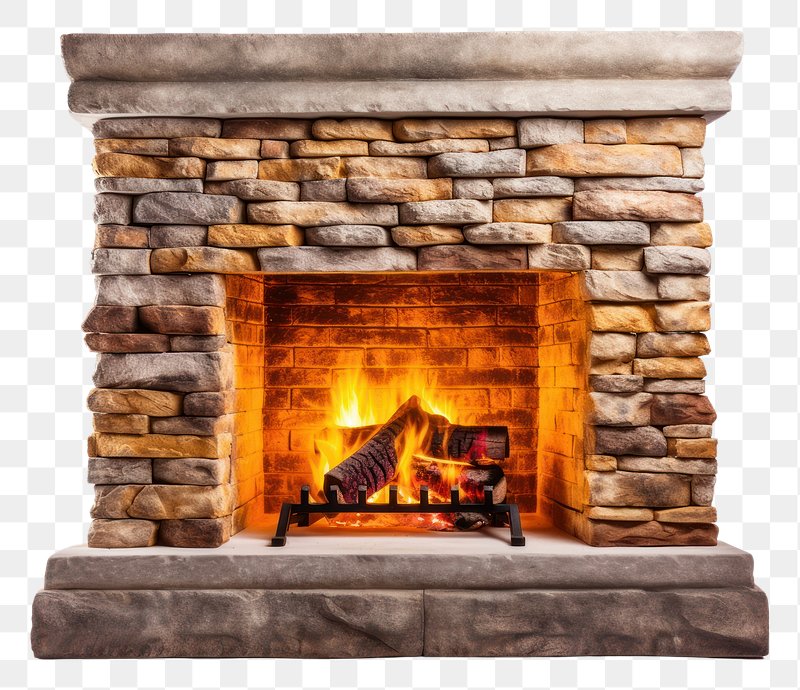
Balancing Modern Minimalism with Fireplace Scale and Materials
Modern rooms favor clean lines and simple materials like concrete, steel, or glass. But not all modern fireplace ideas work well in every space. For example, floating concrete hearths look sleek but are very heavy and may require extra structural support, which adds cost and complexity. Concrete can also feel cold both visually and physically, especially in small rooms.
An illustrative example: a client wanted a large concrete surround in a small city loft. It ended up dominating the space and made furniture placement difficult. Switching to a slimmer steel frame kept the modern look while opening up the room.
For most modern interiors, a linear gas fireplace inset flush with the wall works best. It keeps sightlines open and doesn’t take up floor space. In open-plan spaces with multiple focal points, built-in shelves around the fireplace can add texture and warmth without cluttering the minimalist design.
The key trade-off: aiming for visual simplicity while keeping spatial balance. Oversized or heavy materials can overwhelm smaller rooms or limit how you use the space.
Traditional Fireplaces Need Careful Material and Maintenance Choices
Traditional styles often mean wood or stone mantels with detailed moldings, but quality matters. Stone varies widely: polished marble looks elegant but might feel too formal in rustic rooms; rough limestone adds warmth but can clash if other finishes are refined.
Wood mantels require ongoing care near heat sources to avoid warping or cracking, a detail many homeowners miss until issues appear.
A composite example: A homeowner installed an ornate cherry wood mantel for their colonial-style living room but didn’t check clearance from their gas insert. Heat caused discoloration within two years, requiring refinishing.
This shows traditional fireplaces demand matching mantel durability with heating methods and ventilation to avoid safety risks and premature wear.
Managing Transitional Styles Means Choosing Your Priority
Mixing modern shapes with traditional materials sounds appealing but can lead to confusing results when neither style dominates clearly.
If you want calm visuals, pick modern shapes like rectangular gas inserts combined with traditional materials such as limestone or warm wood, but keep details restrained. Avoid pairing ornate mantels with bold modern fireboxes since they compete visually.
If historic charm matters more, choose classic mantel profiles but refresh them with updated finishes like matte paint or subtle metallic touches.
The trade-off here is clarity versus compromise: half-measures blur your fireplace’s identity, so decide which style drives your design early on.
Common Pitfalls That Undermine Fireplace Success
- Ignoring thermal expansion: Different materials expand differently when heated; stone next to metal inserts can crack without proper expansion joints.
- Poor furniture flow: Placing a fireplace where seating doesn’t naturally face it wastes its potential as a gathering spot.
- Bad lighting choices: Fireplaces are focal points, if lighting is weak or uneven, they shrink into shadows rather than stand out.
- Ventilation trade-offs: Glass fronts look sleek but reduce airflow; some traditional open hearths spread heat better than sealed units.
One failed approach involved an oversized mantelpiece left intact despite cramped seating arrangements. This squeezed social areas into awkward corners and hurt the room’s function.
Fixing Fireplaces That Feel Out of Place
If your fireplace feels awkward after installation:
- Check color temperature: Warmth comes from how light interacts with nearby surfaces, not just flame color.
- Balance textures: Pair cool materials like steel with soft textiles (pillows, rugs) nearby to soften the space.
- Adjust scale via accessories: Adding or removing trim can shift perception significantly.
- Layer lighting: Combine overhead downlights with wall sconces focused on mantel details for depth.
In tight spaces, consider corner inserts or wall-mounted electric fireplaces. These save footprint but usually provide less heat, trade-offs worth weighing based on your heating needs.
What to Do First Before Choosing Fireplace Designs
A full site assessment is essential before picking any style or material. Measure room dimensions carefully alongside furniture layout and ceiling height to understand scale relationships. Look for hidden limits such as load-bearing capacity for heavy surrounds or circulation paths that big hearths might block.
This upfront step reveals constraints so you can choose options that integrate smoothly instead of imposing themselves awkwardly on your space and lifestyle.
Checklist for Better Fireplace Integration
- Measure room size vs fireplace scale
- Confirm mantel clearance relative to heat source
- Choose materials considering thermal expansion
- Plan furniture layout that faces the fireplace
- Design layered lighting around the hearth
- Assess ventilation needs vs style preference
- Decide early which style (modern form vs traditional material) dominates
- Consult structural limits before heavy material selection
Thoughtful decisions here turn fireplaces from potential design problems into comfortable anchors of your home’s character, inviting warmth both physically and visually without compromise.
