Measuring how AI affects productivity in a small content team is tricky. The usual advice, track output volume, turnaround time, and error rates before and after AI, sounds easy but often falls short when you face limited resources, shifting priorities, and spotty data. Many teams end up with numbers that look good on paper but don’t really convince leadership or help make smarter decisions.
From working with small content teams, I’ve found the best way to measure ROI is to work within your real-world limits. You don’t need perfect data or fancy analytics tools. Instead, focus on capturing a few clear signals that reflect what matters most in your workflow and business context.
Focus on What You Can Measure Reliably
Not every common productivity metric fits every team. For example, if your publishing schedule is fixed by contracts or calendars, boosting raw output volume isn’t a useful measure. Instead, look for metrics tied to actual bottlenecks or meaningful improvements.
Pick 3 to 5 metrics that:
- Are easy to track without overloading your team.
- Link clearly to your daily work and goals.
- Show noticeable changes even if the numbers aren’t huge.
For instance, if editing slows your process down the most, measure how much AI cuts editing time rather than total word count. If engagement stats are noisy because of SEO changes or seasonality, consider them less reliable for ROI.
Composite example: A four-person B2B content team couldn’t increase article volume due to client demand limits. But they found AI reduced editing time per article by about 25%. They focused their ROI tracking there instead of chasing volume increases that weren’t possible.
Use What Data You Have to Set Baselines
If you didn’t collect baseline data before using AI tools, don’t worry. Many small teams start tracking only after adoption. Pull what you can from project management tools, time logs, or spreadsheets, even if incomplete, to estimate where you began.
Questions to answer include:
- How many articles were published weekly or monthly before AI?
- How long did editing usually take per article?
- How many revision rounds were typical?
If exact numbers aren’t available, ask your team for structured estimates based on memory combined with deadlines and published dates. Being upfront about gaps in data actually builds trust in your findings.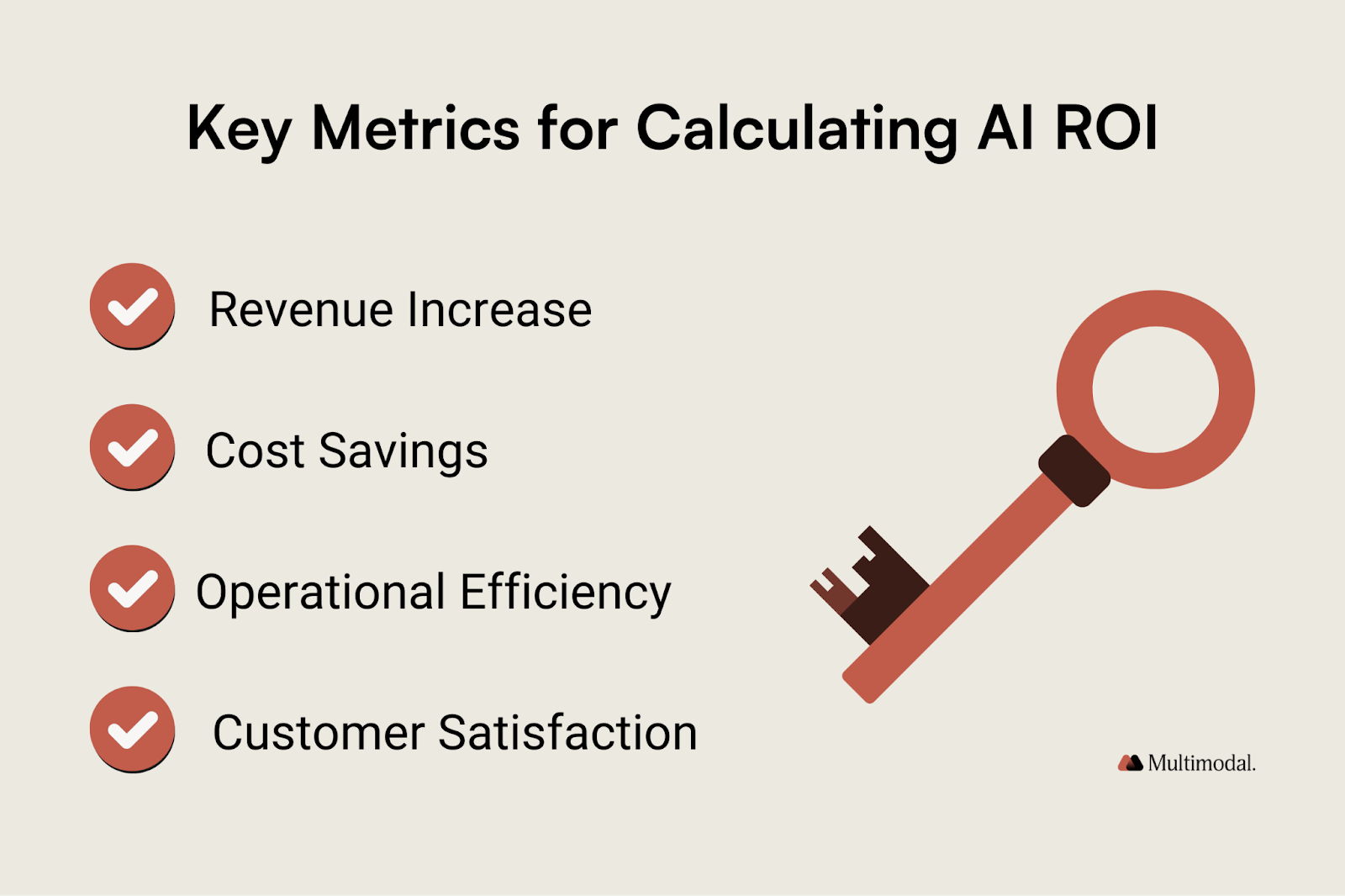
Track Changes Selectively and Automate When Possible
Trying to record too many metrics manually leads to burnout and messy data. Instead:
- Use simple time trackers like Toggl only for key tasks where AI promises savings (editing or formatting).
- Check usage stats from your AI tools (words generated, suggestions accepted) to confirm actual use.
- Tag projects explicitly as “AI-assisted” in your workflow software so you can compare easily.
- Use version history or document comments to monitor revisions instead of manual logging.
Keep metadata collection lean; this helps maintain accuracy without extra hassle.
Convert Time Saved into Dollars Thoughtfully
Turning saved hours into financial value matters but can be tricky. Keep these points in mind:
- Use actual hourly costs including benefits rather than just base salary.
- Think about whether saved time reduces payroll costs (like overtime) or frees the team for higher-value tasks.
- Remember opportunity costs: freed-up hours might improve strategy or allow tackling more complex work with long-term benefits.
For example: Saving 30 editing hours monthly at $30/hour equals about $900 labor cost saved, but if those hours get used productively elsewhere, the real benefit could be greater even if harder to measure right away.
Watch Out for Common Pitfalls That Skew ROI Measurement
Inconsistent Data Entry: Without a clear owner for tracking metrics, data tends to get missed or recorded inconsistently. Assign one person (even rotating monthly) to regularly check data quality.
Attribution Issues: AI gains rarely appear overnight and often overlap with other factors like team changes or workload shifts. Track trends over at least 3 months and note events that might affect productivity.
Ignoring Team Feedback: Numbers don’t tell the whole story. Quick surveys asking about ease of use, confidence in AI output, or morale provide valuable context alongside metrics.
Workflow Adjustments: Expect initial slowdowns as teams learn new tools and processes; tracking these early dips honestly helps set realistic expectations and identify training needs.
Practical Next Steps: Build a Simple Tracking System Today
Pick 3 KPIs linked tightly to your biggest bottlenecks, for example: editing hours per article, number of revision cycles, turnaround time from draft to publish. Pull recent pre-AI data from existing records or estimates.
Set up a straightforward spreadsheet like this:
| Date | Article ID | AI-Assisted (Y/N) | Editing Time (hours) | Revision Rounds | Notes |
|---|---|---|---|---|---|
| 2024-03-01 | Article 123 | Y | 2 | 1 | Used AI for first draft |
Track these each week or month going forward. Mark which projects got AI help so you can compare results clearly over time.
Hold a monthly check-in with whoever’s leading ROI measurement, review trends together and flag anything unusual (like busy weeks or tool glitches). Early insights will guide what else you might track next without waiting for perfect data upfront.
By focusing on a few clear measures tied directly to your team’s real challenges, and using what data you already have, you’ll build a practical system that shows where AI adds value beyond guesswork. This approach keeps things manageable while giving leaders solid evidence when deciding on future investments in AI tools.
The key is starting small and honest: imperfect data plus clear context beats no data plus vague claims every time. With steady tracking and regular review, you’ll gain confidence in how AI is truly impacting your content team’s productivity, and be ready to adjust as needed along the way.
